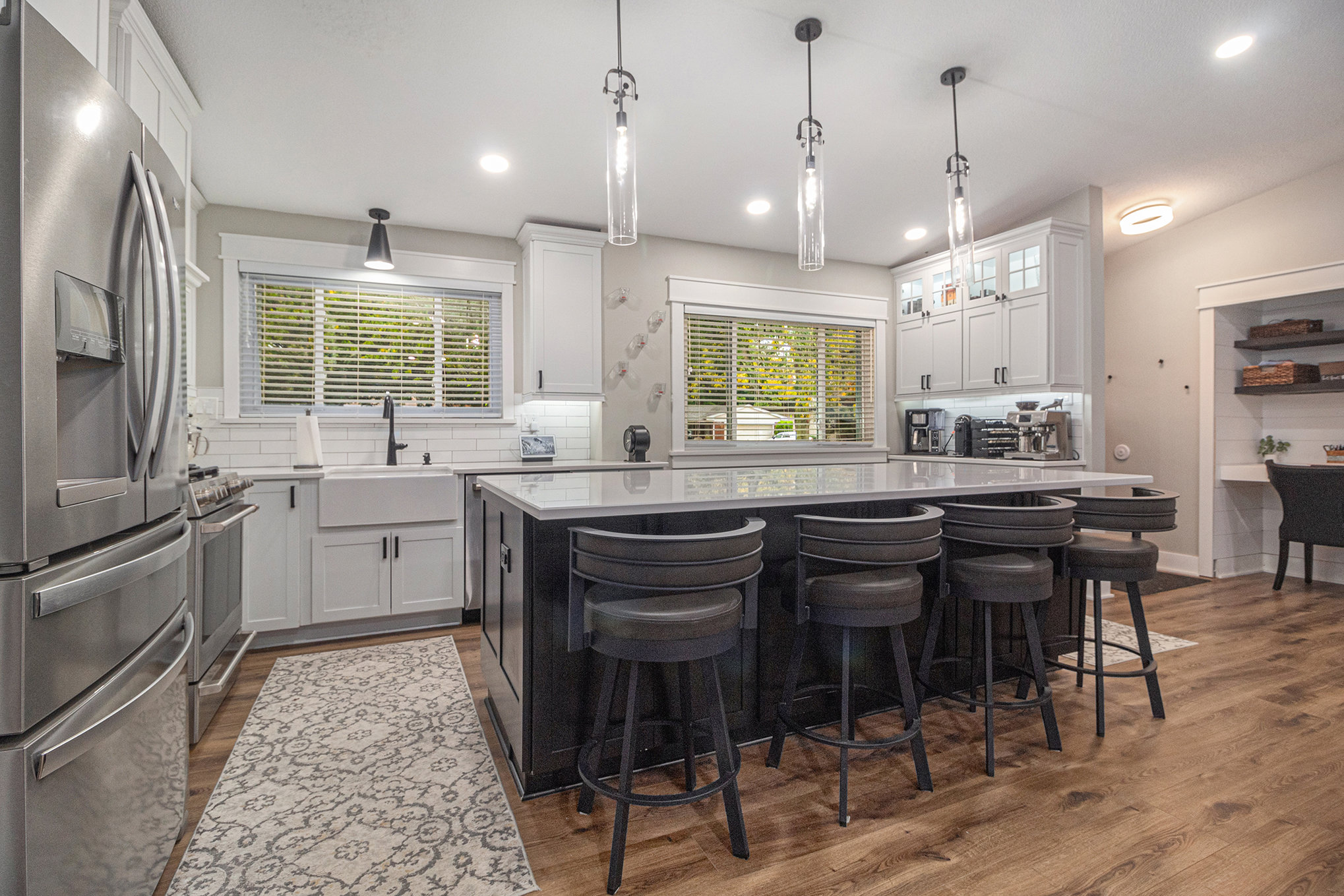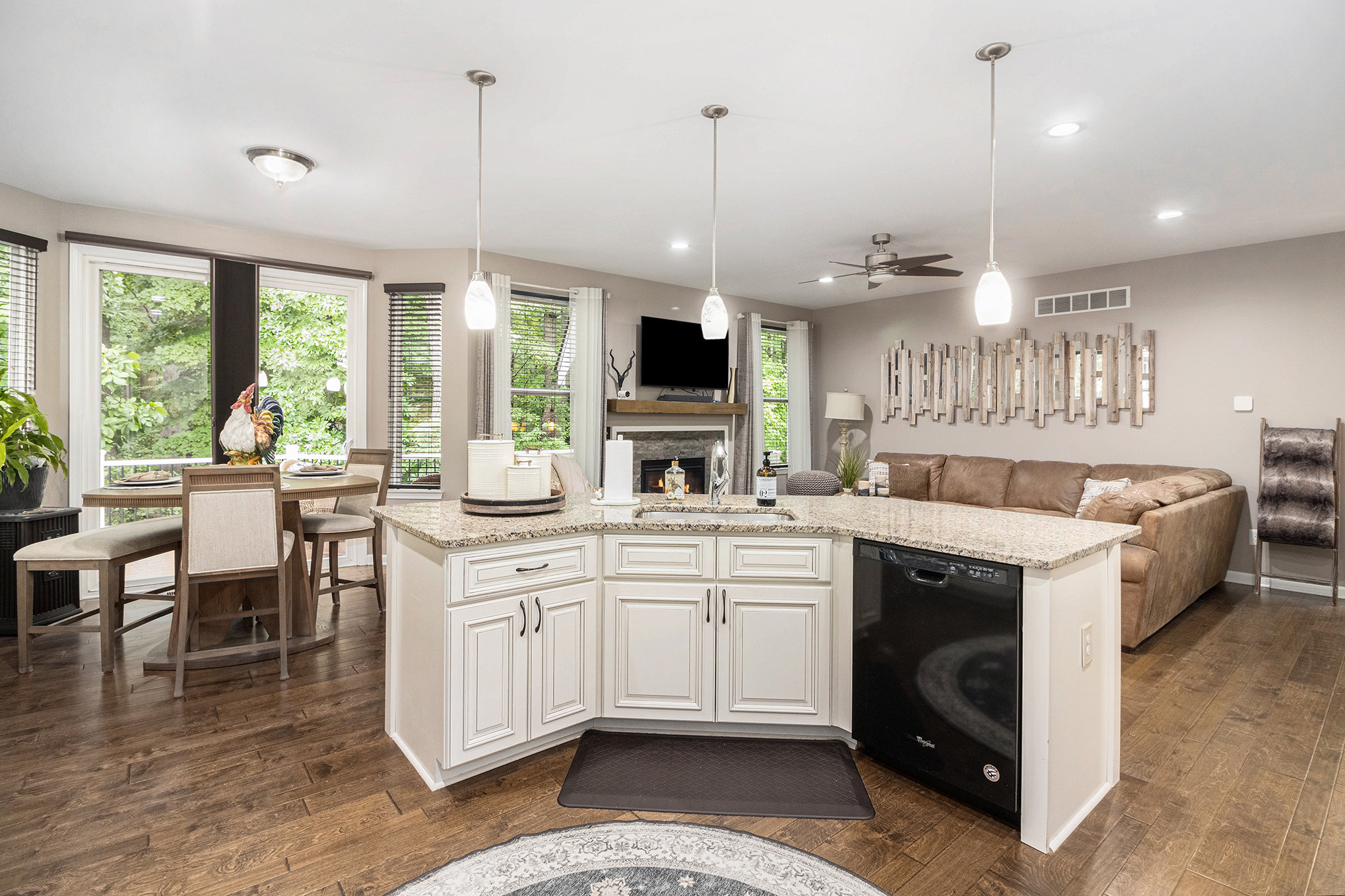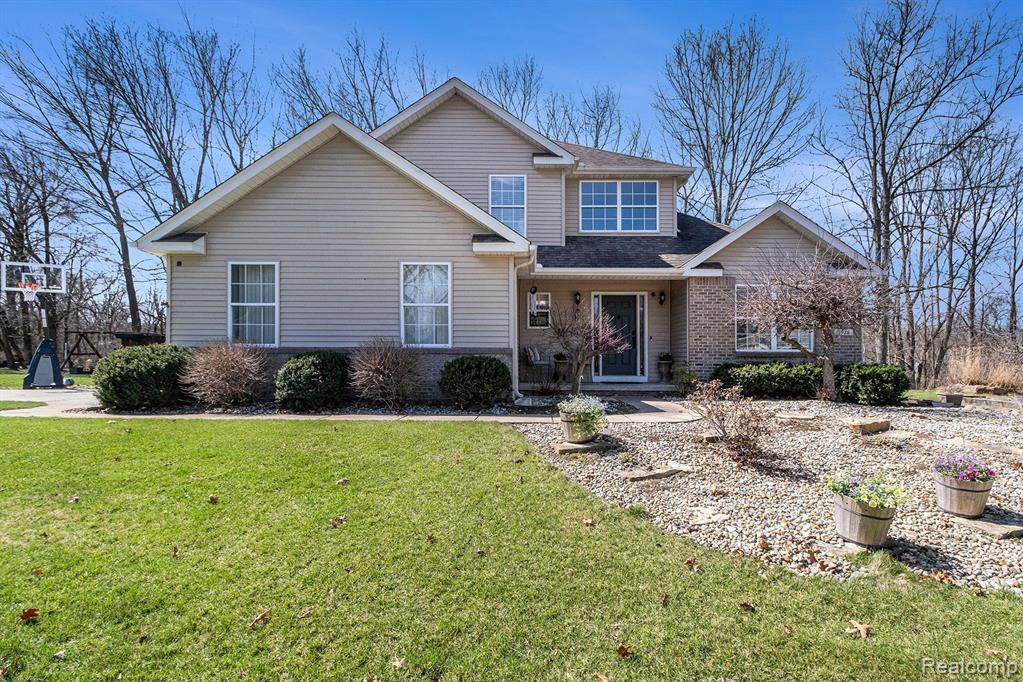
Every week, someone asks me this question, and they usually expect a quick answer. The truth is, there isn't one. New construction and resale homes serve different buyers, at different life stages, with different goals. The right answer depends on you, not on which option is "better."
I've helped clients buy brand-new homes in Lyon Township and 1960s ranches in Livonia. I've negotiated builder contracts in Northville and walked through 100-year-old farmhouses in Plymouth. Both paths can lead to the right home, and both come with real trade-offs that nobody talks about until you're three months in and frustrated.
This is the honest version. Local context. Southeast Michigan-specific. Written for the buyer who wants to make a smart decision rather than a fast one.
The Case for New Construction
New construction has gotten a real foothold in Southeast Michigan over the last five years. Lyon Township, South Lyon, Brighton, Northville Township, Plymouth Township, Canton, Macomb Township, if you've driven these areas recently, you've seen the fresh subdivisions popping up next to cornfields. Builders like Pulte Homes, Toll Brothers, Lombardo Homes, Robertson Brothers, and M/I Homes are active across the region.
Here's what new construction actually gives you:
You get to make it yours from day one.
Cabinet color, flooring, countertop choices, lighting packages, sometimes the floor plan itself. You walk into a finished home that nobody else has lived in, no decade of someone else's choices to undo. For buyers who like their hands on every detail, this is a real advantage.
Energy efficiency is built in.
New homes in Michigan have to meet much tighter insulation, window, and HVAC standards than homes built even 15 years ago. That shows up in your utility bills every single month. A new 2,400 sq ft home in Lyon Township often runs lower heating costs than a 1,800 sq ft 1970s home in Livonia, same family, same thermostat.
Warranties carry the first few years.
Most builders cover structural defects for 10 years, mechanical systems for 2, and workmanship for 1. That doesn't make the home perfect, but it means the first time the furnace acts up, you call the builder, not your bank account.
You're not competing in a bidding war.
This one matters more than most buyers realize. When inventory tightens, resale homes in Plymouth or Northville can attract five to ten offers in 48 hours. New construction sells at the builder's published price. No emotional bidding, no escalation clauses, no losing the home you fell in love with by $3,000. For risk-averse buyers, that calmer process is genuinely valuable.
Where new construction is concentrated in SE Michigan right now
Western Wayne & Washtenaw: Lyon Township, South Lyon, Plymouth Township, Salem Township, Northville Township.
Oakland County: Brighton, Hartland, Highland Township, Independence Township.
Macomb County: Macomb Township, Washington Township, Shelby Township.
Out-county growth: Lapeer, Brighton, parts of Howell.
The Case for Resale Homes
Resale homes are still the majority of what sells in Southeast Michigan, and for good reason. The areas with the strongest school districts, the most walkable downtowns, the mature tree canopies, and the established community feel, those are almost exclusively resale neighborhoods. Downtown Plymouth, the older parts of Birmingham, central Royal Oak, Ferndale, Berkley, Northville's historic district, Dearborn, these places aren't being built new. They already exist, and they hold their value.
You can see exactly what you're buying.
This is the biggest practical difference. With a resale, you walk through the actual home. You see the layout in real life, you hear the neighborhood, you notice the morning light, you smell the basement. With new construction, you're often choosing from a model home and a floor plan, and the home you live in won't exist for six to twelve months.
The neighborhood is already a neighborhood.
Mature trees, sidewalks that connect to a downtown, neighbors who've lived there for fifteen years, established traffic patterns, restaurants you can walk to. A new subdivision in Lyon Township in 2026 might be a wonderful neighborhood in 2030, but right now it's a construction zone with a model home and a sign.
You have real room to negotiate.
With a builder, the price is the price. With a resale seller, almost everything is negotiable, price, closing costs, repair credits, appliances, fixtures, timing, occupancy. A good buyer's agent who knows the local market can find $5,000 to $25,000 of value in a resale negotiation that simply doesn't exist with most builders.
Lower price per square foot, usually.
This shifts by neighborhood, but as a general rule, a comparable resale in Southeast Michigan runs $25 to $60 per square foot less than new construction. On a 2,200 sq ft home, that's $55,000 to $130,000 of difference. Not always, but often enough to matter.
The cheapest new construction home and the most expensive resale home will usually land in the same price band, but the resale gives you a finished basement, a fenced yard, and trees taller than you are. The new build gives you a warranty and a blank canvas. Both are real value.
The Hidden Traps Nobody Mentions
Here's where the honest version really matters. Both paths have downsides that show up after the paperwork is signed, when it's harder to walk away.
Traps in new construction:
- The "standard finishes" trick. The model home you walked through? It's stuffed with upgrades. The "base price" home is much plainer. The hardwood floors, the kitchen island, the better tile in the primary bath, those are line items you'll add. By the time you've made the home actually feel like the model, the price has often climbed 12% to 25%.
- The builder's lender. Most builders offer thousands in "incentives" if you use their in-house lender. Those incentives are real, but the interest rate often isn't competitive. Always get a second quote from an independent local lender (we can refer you to ones we trust) and run the actual math. Sometimes the builder lender wins. Sometimes it loses by $40,000 over the life of the loan.
- Delays. "Six to nine months" can become twelve to fifteen. Weather, supply chain, labor, none of it is the builder's fault, but all of it is your problem when you've already given notice on your rental.
- Contracts that protect the builder. Builder contracts are written by builder attorneys. The default terms favor them. You can negotiate, but only if you know what to ask for. (That's worth a whole separate article, and it's on our list to write.)
- Resale value depends on what gets built next. If you're the first phase of a 200-home development, you bought into the rendering, not the reality. By the time phases 4 and 5 are done, your view might not be what you expected.
Traps in resale:
- Dated systems and the cost of catching up. A 1972 furnace, a 1995 roof, a 1988 electrical panel, they all work today. They probably won't all work in three years. A real inspection (not a "yeah it's fine" walk-through) tells you which expensive replacements are coming and when.
- Cosmetic updates that hide structural issues. Beautiful kitchen, fresh paint, staged just right, and a foundation that's been moving slowly for a decade. Inspections matter most in homes that look the most finished.
- Property tax surprises. Michigan property taxes are capped while you own the home, but they uncap and reset when you buy. The taxes the seller is paying are often a fraction of what you'll pay. Always run the post-sale tax estimate before you finalize your budget. (Your buyer's agent should be doing this with you.)
- Insurance surprises in older homes. Knob-and-tube wiring, polybutylene plumbing, certain types of roofing, swimming pools, any of these can spike your homeowner's insurance or cause a carrier to decline the policy entirely. We catch this for clients pre-offer, but it's a real risk people underestimate.
- The neighborhood that isn't what it was. Established doesn't always mean stable. Driving through a neighborhood once doesn't tell you what's coming next. Local insight matters, that's what your agent should be giving you.
What's Specific to Southeast Michigan
This is where the generic internet advice falls apart. Buying in SE Michigan isn't like buying in Atlanta or Dallas, and the local nuances shift the math for both paths.
School districts shift the price more than any other factor.
A home in Plymouth-Canton schools at one price point can be a home in Wayne-Westland schools at $40,000 less. Same square footage, same year built, ten minutes apart. School district is the single biggest local factor, and it impacts resale value when you sell later, too. New construction subdivisions sometimes straddle district lines; always verify which school the home is actually zoned to, not just what the sales brochure implies.
Property taxes work differently here than in many states.
Michigan caps the annual increase on your taxable value while you own the home. When you buy, the cap resets. That means the seller's tax bill is often dramatically lower than what you'll pay. The state's Principal Residence Exemption (PRE) can save you 18 mills (roughly 25% to 30% off your effective rate), but only if you file the paperwork after closing. Most buyers don't know this exists. We remind every client.
Winter inspections are tricky and important.
You can't really test air conditioning when it's 20°F. You can't fully evaluate a roof under snow. You can't see the lawn. Resale homes in January and February need a different inspection approach, and sometimes a holdback at closing to cover spring-revealed issues.
Insurance availability is regionally specific.
Some Wayne County zip codes are harder to insure than others. Older homes with certain features (older roofs, certain electrical, older plumbing) have a smaller pool of carriers willing to write them. We have an insurance broker we refer clients to who can pre-screen a home before the offer goes in.
The flood map matters in Washtenaw and parts of Oakland.
Pockets of Ann Arbor, parts of Saline, sections near the Huron River and the Rouge, flood zone designations move the math significantly. Required flood insurance can add $1,200 to $3,500 per year. Always check before falling in love with the property.
How to Actually Decide
Most buyers don't get to choose based on personal preference alone. The decision usually comes down to four practical questions:
1. How quickly do you need to move in?
New construction means 6 to 15 months. Resale means 30 to 60 days. If your lease is up in 60 days or you've already sold your current home, resale is the realistic path. If you're flexible and renting, new construction opens up.
2. What does your school-district priority look like?
Top-rated SE Michigan school districts (Plymouth-Canton, Northville, Birmingham, Bloomfield Hills, Rochester, Novi) have very limited new construction. If those districts are non-negotiable for you, resale is mostly your path. If you're open to good-not-great districts with newer construction, the Lyon Township and Macomb Township areas open up significantly.
3. How much energy do you want to put into the home in the first 3 years?
New construction means choosing finishes, scheduling closings, walk-throughs, builder punch lists. Resale means inspection negotiations, possibly minor updates, sometimes major ones. Both take energy, but they take it at different points and in different ways. Be honest about which one suits your life right now.
4. What's your real total budget?
Not the loan amount, the total commitment. New construction "all-in" with upgrades, lot premium, builder fees, and closing costs is usually 8% to 18% higher than the base price quoted. Resale all-in is base price + closing costs + repairs the inspection uncovers. Run both scenarios honestly.
If you can answer those four questions clearly, you're already most of the way to your decision. If you can't, that's exactly what we're here for.
Still not sure which path is yours? Let's talk it through.
The Hearts to Homes Team will sit down with you, walk through your timeline, your priorities, and the actual numbers, no pressure, no sales pitch. We've guided buyers through both paths hundreds of times, and we'll tell you honestly which one fits.
Schedule a Buyer Consultation Or call us directly: 734-323-4486One more thing. Whichever path you choose, the single most important decision is who's representing you. With new construction, the agent at the model home works for the builder, not for you. Read our REALTOR for New Construction guide and Before You Visit a Model Home guide before your first tour.
That's what we do. More about how we work, or message us when you're ready.