Shopping for homes before getting pre-approved
You fall in love with a $420,000 home, then learn you qualify for $340,000. Pre-approval sets your real ceiling before emotions get involved.
Resource Center: buyer guides, blueprints, community research, and tools for your home search.
Buyer Education · Michigan Real EstateFrom your first lender conversation to the day you get your keys, here is the full roadmap for buying your first home in Southeast Michigan.
Buying your first home is one of the biggest financial and emotional decisions you will make. It is also one of the most learnable, if someone walks you through it in the right order.
Every buyer's journey is different. Schedule a complimentary consultation with the Hearts to Homes team and we'll help you understand your options, answer your questions, and build a strategy that's right for you.
If you are reading this, you are probably somewhere between dreaming about your first home and actively trying to figure out whether you are ready to make a move. That is exactly where this guide meets you. I have walked hundreds of first-time buyers through the process across Southeast Michigan, from Plymouth and Canton to Novi, Brighton, Livonia, and Ann Arbor, and the questions are remarkably consistent: How much do I need? When do I talk to a lender? What happens after I make an offer? What will surprise me on closing day?

This guide answers those questions in the order they actually come up, not in the order a textbook would organize them. We will cover timing and market conditions, getting your finances in shape, understanding credit and down payment options, decoding closing costs, getting pre-approved, finding the right home and community, making a competitive offer, navigating inspection and appraisal, surviving closing day, and settling into your first year as a homeowner. Along the way, we will flag the Michigan-specific details that catch out-of-state and first-time buyers off guard: taxable value uncapping, the Principal Residence Exemption, city vs. township tax differences, winter inspection considerations, and programs like MSHDA that can make ownership more accessible.
Nothing in this guide replaces personalized advice from your lender, attorney, or Realtor. But by the time you finish, you should have a clear mental map of the entire journey and know exactly what to do next. If you are still deciding which community fits your life, start with our Find Your Fit Quiz or browse the Community Guides while you read.
First-time buyers purchasing in Wayne, Oakland, Washtenaw, or Livingston counties. Relocation buyers moving to Southeast Michigan from out of state. Renters who are ready to stop building someone else's equity. And anyone who wants to understand the full process before they commit to a search, a lender, or a neighborhood.
The honest answer to "Is now a good time to buy?" depends less on national headlines and more on your personal readiness: stable income, manageable debt, a clear sense of where you want to live for the next several years, and a budget you have verified with a lender rather than guessed at from an online calculator. National interest rates, inventory levels, and seasonal patterns matter, but they are secondary to whether buying aligns with your life right now.
Southeast Michigan's market has its own rhythm. Spring and early summer bring the most inventory and the most competition, especially in desirable school districts and walkable communities like downtown Plymouth, Northville, and Ann Arbor. Late fall and winter often mean fewer listings but less competition on the homes that are available, and sellers who list in January or February are sometimes more motivated than peak-season sellers. None of this means you should wait for a "perfect" market. Perfect markets do not exist. Ready buyers who understand their numbers can make good decisions in any season.
What I tell first-time buyers is this: if you plan to stay in the home at least three to five years, if your employment is stable, and if your monthly housing payment (including taxes and insurance) fits comfortably within your budget after you account for Michigan's post-sale tax uncapping, then timing the market matters far less than timing your own readiness. Rent continues to rise. Equity builds slowly on someone else's property. The cost of waiting is real even when rates are not at historic lows.
Use our Community Guides to compare neighborhoods at different price points and lifestyle profiles before you decide whether this year is your year.
The best time to buy is when you are financially prepared, emotionally ready, and clear about where you want to put down roots, not when a headline tells you the market is perfect.
Before you open a single listing app, get a clear picture of your financial starting point. That means knowing your monthly take-home income, your fixed expenses, your total debt, and how much you have available for a down payment and closing costs without draining every dollar of savings. Lenders look at debt-to-income ratio, credit history, employment stability, and assets. You should look at the same numbers honestly before they do.
Build a housing budget that includes more than principal and interest. In Michigan, your monthly payment typically includes property taxes (held in escrow), homeowners insurance, and possibly private mortgage insurance if your down payment is below 20%. HOA fees apply in many Southeast Michigan condominiums and some planned communities. Maintenance reserves matter too: budget 1% to 2% of the home's value annually for upkeep, or more for older homes in established neighborhoods.
Do not forget closing costs. First-time buyers often fixate on the down payment and forget they will also need cash for lender fees, title insurance, appraisal, prepaid taxes, and escrow setup. On a $320,000 home in Canton or Novi, closing costs alone can run $8,000 to $14,000 depending on your loan and negotiations. Download the Michigan Closing Cost Blueprint from our Blueprint Library for a line-by-line breakdown.
Keep your financial behavior steady once you start the process. Avoid large purchases, new credit cards, job changes, or large deposits that cannot be documented. Lenders re-verify everything before funding, and surprises in the final weeks can delay or derail your closing.
Gross household income: $9,200/month
Existing debt payments: $650/month (car, student loans, credit cards)
Estimated housing payment (PITI + PMI): $2,400/month
Many lenders prefer a total DTI under 43%, with housing alone ideally under 28% to 31%. Your lender's exact thresholds may vary by program. Run your numbers before you fall in love with a payment that does not fit.
Your credit score is one of the primary factors lenders use to determine whether you qualify for a mortgage, which loan programs are available to you, and what interest rate you will pay. For first-time buyers, understanding credit before you apply can save thousands of dollars over the life of the loan and prevent the heartbreak of discovering you are not ready when you find the home you want.
FICO scores range from 300 to 850. Conventional loans typically require 620 or higher for basic eligibility, with the best rates reserved for scores of 740 and above. FHA loans, popular with first-time buyers, often accept scores starting around 580 with 3.5% down, though individual lenders may set higher minimums. VA loans for eligible veterans and USDA rural loans have their own guidelines. Your lender can tell you which programs fit your profile.
If your score needs improvement, focus on the factors you can control in the months before applying: pay down credit card balances to reduce utilization, make every payment on time, avoid opening new accounts, and do not close old accounts unless your lender advises it. Pull your free credit report from all three bureaus and dispute any errors. Even a 20- to 40-point improvement can shift you into a better rate tier.
Get pre-approved with a lender who pulls a full tri-merge credit report and reviews your complete file, not just a soft estimate from an online tool. The pre-approval letter is what sellers expect to see with your offer in competitive Southeast Michigan markets.
Checking your own credit or getting pre-approved does not "ruin" your score. Multiple mortgage inquiries within a short shopping window (typically 14 to 45 days) are usually counted as a single inquiry. What hurts your score is late payments, maxed-out cards, and new debt right before closing.
The down payment is the portion of the purchase price you pay upfront, and it is one of the biggest barriers first-time buyers believe they face. The good news: you almost certainly do not need 20% down to buy a home in Michigan. Many of my first-time buyers close with 3% to 10% down, and some qualified buyers use 0% down programs.
Conventional loans with private mortgage insurance (PMI) often allow as little as 3% down for first-time buyers. PMI adds to your monthly payment until you reach 20% equity, but it makes homeownership accessible years earlier than saving a full 20%.
FHA loans require 3.5% down with a minimum credit score around 580 (lender overlays may vary). FHA is popular with first-time buyers and accepts gift funds from family for the down payment with proper documentation.
VA loans offer 0% down for eligible veterans, active-duty service members, and qualifying surviving spouses. VA loans also typically have no monthly PMI, making them one of the strongest programs available if you qualify.
MSHDA programs through the Michigan State Housing Development Authority provide down payment assistance, mortgage credit certificates, and specialized loan products for income-qualified buyers. Availability and income limits change, so ask your lender early whether you qualify. A MSHDA-approved lender can walk you through current options for Wayne, Oakland, Washtenaw, and Livingston county purchases.
Gift funds from family are widely accepted but must be documented with a gift letter and paper trail. Lenders need to verify that gift money is truly a gift, not a disguised loan. Talk to your lender before moving money around.
We connect first-time buyers with trusted lenders who specialize in Michigan programs and can run scenarios based on your actual credit and income.
Closing costs are the fees and prepaid items you pay at closing in addition to your down payment. First-time buyers are often shocked by this second pile of cash requirements because online mortgage calculators rarely show them clearly. In Michigan, expect closing costs to run roughly 2% to 5% of the purchase price, though the exact number depends on your loan type, lender, title company, and how much you negotiate with the seller.
Common closing cost components include lender origination and underwriting fees, appraisal fee, credit report, title insurance and title search, recording fees, transfer taxes (where applicable), prepaid property taxes and homeowners insurance (held in escrow), and prepaid interest from closing date to the end of the month. On a $350,000 home in Northville or Plymouth Township, total closing costs might land between $7,000 and $17,000.

You will receive a Loan Estimate within three business days of applying for a mortgage and a Closing Disclosure at least three business days before closing. Compare them line by line. That is your last chance to catch errors or unexpected fees before you wire funds. Our Michigan Closing Cost Blueprint (also available as PDF download) explains every major line item in plain language.
Seller concessions can help. In Michigan, sellers can typically contribute toward buyer closing costs up to program limits (often 3% to 6% depending on loan type and down payment). In a balanced or buyer-favorable market, asking for closing cost assistance is normal. In a multiple-offer situation, heavy concession requests can weaken your offer, so strategy matters.
Escrow setup at closing often uses the seller's current tax bill, which may be far lower than what you will pay after taxable value uncaps. Ask your lender and Realtor to estimate your post-sale tax bill, not the listing figure. Read our Michigan Property Taxes Guide for the full explanation.
Pre-approval is not optional in a serious home search. It is the step that converts "I think I can afford around $400,000" into "My lender has verified my income, assets, credit, and employment and will lend me up to $385,000 on these terms." Sellers and listing agents in Southeast Michigan expect a pre-approval letter with your offer. Without one, your offer may not even be reviewed.
The pre-approval process typically requires pay stubs, W-2s or tax returns, bank statements, identification, and authorization for a credit pull. Self-employed buyers need additional documentation. The lender issues a pre-approval letter stating the loan amount, loan type, and conditions. Letters are usually valid for 60 to 90 days.
Pre-qualification is not the same thing. Pre-qualification is a lighter, often unverified estimate based on information you provide. It is fine for very early planning but does not carry weight with sellers. Insist on full pre-approval before you tour homes you are serious about.
Pre-approval tells you what you can actually afford. It also tells sellers you are a serious buyer who has already done the work.
Shop lenders. Rates, fees, and service levels vary. A local lender who knows Michigan property tax escrows, MSHDA programs, and Southeast Michigan appraisal timelines can save you stress at closing. Your Realtor can recommend trusted partners, but you choose the lender. Compare Loan Estimates from at least two or three sources.
Once pre-approved, stay financially stable until closing. Do not buy a car, quit your job, or move large sums of money without telling your lender first.
With pre-approval in hand, the search begins. This is the part most buyers imagine when they think about buying a home, but it works best when you have already narrowed your geography, budget, and non-negotiables. Southeast Michigan offers dramatically different lifestyles within a 30-minute drive: walkable downtown Plymouth, family-oriented Canton and Novi, lake-country Brighton, college-town Ann Arbor, and established neighborhoods in Livonia and Redford. The right community matters as much as the right floor plan.
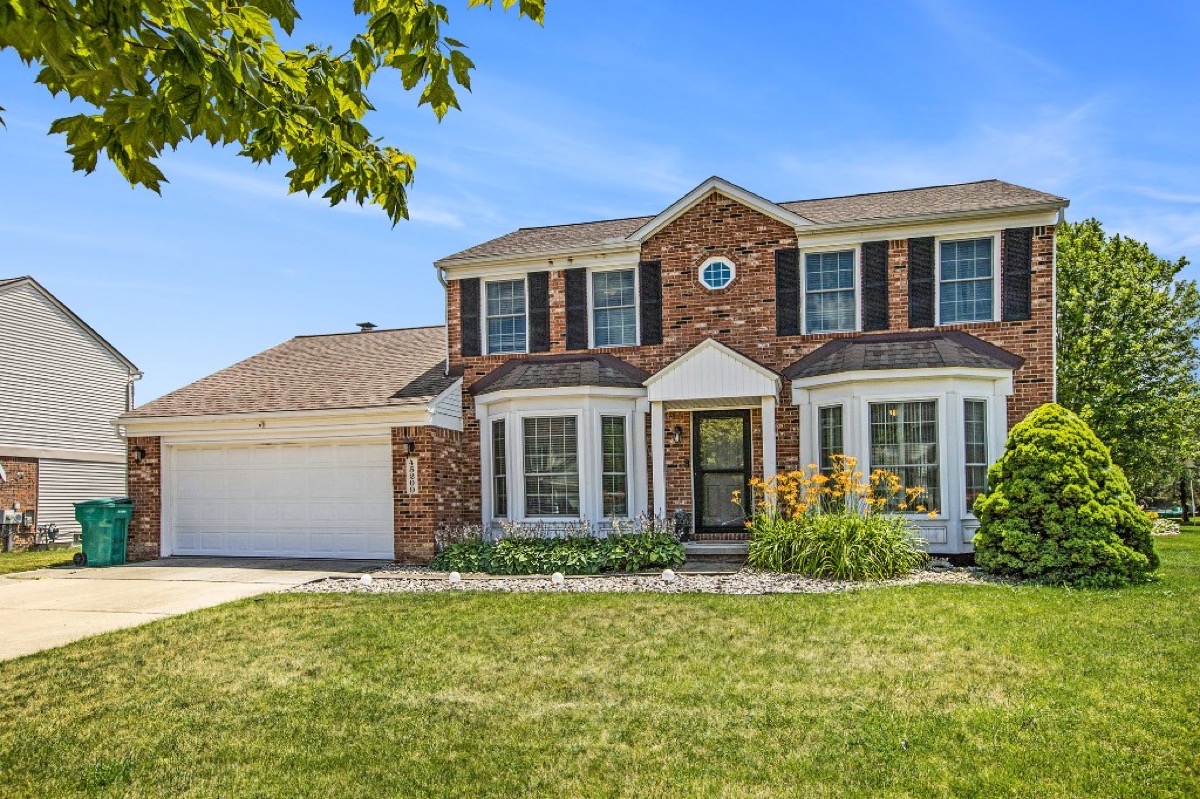
Start with community, not square footage. Ask yourself how you actually live: Do you want to walk to coffee shops and festivals, or do you prefer a quiet cul-de-sac with a big yard? How important are specific school districts? How long is your commute, and to where? Our Find Your Fit Quiz matches your lifestyle priorities to Southeast Michigan communities, and our Community Guides go deep on each area's character, housing stock, and trade-offs.
Work with a buyer's agent who knows the micro-markets you are searching. Listing data alone will not tell you that a "Brighton address" might be in Pinckney schools, or that a Northville home might sit in Wayne County or Oakland County with different tax millages. A local Realtor verifies school districts, city vs. township jurisdiction, and HOA rules before you write an offer.
Create a must-have vs. nice-to-have list and hold the line on the must-haves. First-time buyers often compromise on location to get more house, then regret the commute or school district two years later. Buy the location first when you can. You can change countertops. You cannot move the house to a different school district.
Be ready to move when the right home appears. In competitive price points under $400,000 across much of Wayne and Oakland counties, well-priced homes can receive multiple offers within days. Pre-approval, a clear offer strategy, and a responsive agent are your advantages.
Take the Find Your Fit Quiz or explore our Community Guides before you schedule your first showing.
Making an offer is where preparation meets strategy. Your Realtor will pull comparable sales (comps) for similar homes sold recently in the same school district and condition range, review days on market and seller motivation signals, and recommend a price and terms package designed to be competitive without overpaying.
A strong Michigan purchase offer includes the offer price, earnest money deposit (typically 1% to 3% of the purchase price, held in escrow), financing contingency (unless cash), inspection contingency, appraisal contingency, and a proposed closing date. Earnest money shows the seller you are serious; if you breach the contract without a valid contingency, you can forfeit it.
Deliver earnest money per the contract timeline, usually within two to three business days of acceptance. Use wire or certified funds as specified. Your buyer's agent coordinates this with the listing office and title company.
In multiple-offer situations, price is not the only lever. Sellers also weigh closing timeline, inspection flexibility, appraisal gap coverage, and whether the buyer is pre-approved with a reputable local lender. Waiving the inspection contingency entirely is rarely something I recommend for first-time buyers, but offering an inspection for informational purposes only (no repair requests unless a major safety issue) is a middle ground some sellers accept.
Negotiation does not end at the offer. Counteroffers on price, closing date, and included appliances or repairs are normal. Stay calm, trust your agent's read on the seller's position, and remember that the goal is a fair deal on a home you want to live in for years, not winning a bidding war at any cost.
Once both parties sign, you are under contract. The clock starts on inspection, appraisal, and financing deadlines. Missing a deadline can cost you your contingencies or your escrow deposit.
The home inspection is your opportunity to learn what is actually happening behind the walls, under the roof, and inside the mechanical systems before you commit fully to the purchase. Michigan does not require inspections by law, but skipping one to make your offer more attractive is a gamble first-time buyers should not take. Inspections cost a few hundred dollars. Undiscovered foundation, roof, or HVAC issues cost tens of thousands.
A licensed inspector evaluates the structure, roof, electrical, plumbing, HVAC, insulation, windows, and major appliances. They produce a written report, often with photos, categorizing findings by severity. No home is perfect, especially older Southeast Michigan colonials and ranches. The question is whether the issues are normal maintenance, negotiable repairs, or deal-breakers.
General inspections do not cover everything. Older homes may need sewer scope, radon testing, well and septic evaluation (common in townships), or structural engineer review if foundation concerns appear. Discuss add-on inspections with your agent based on the property age and location.
In Michigan, winter inspections deserve extra attention. Scheduling an inspection in December through February may limit roof evaluation if snow cover is heavy, but heating system performance, insulation, ice dam evidence, and foundation drainage are especially telling in cold weather. Spring inspections allow full roof and exterior assessment but come with busier inspector schedules. Plan accordingly.
After the inspection, you may request repairs, a seller credit, or a price reduction, depending on your contract and the findings. Your agent helps prioritize requests: focus on safety issues, structural concerns, and active water intrusion before cosmetic items. Download our Home Inspection Blueprint (PDF) to learn how to read the report and communicate effectively with your inspector.
Inspection reports can raise serious questions mid-transaction. We help buyers interpret findings, determine what to negotiate, and decide when findings are a reason to pause. Every buyer and seller's situation is different — schedule a complimentary consultation and we'll walk through your specific scenario.
If you are financing your purchase, the lender orders an appraisal to confirm the home's value supports the loan amount. The appraiser is an independent third party, not working for you or the seller. They visit the property, measure it, photograph it, and compare it to recent closed sales to determine the current market value.
In a rising market, appraisals usually align with the contract price. In overheated bidding wars, appraisals can come in low, meaning the appraised value is less than your offer price. If that happens, you have options: renegotiate the price with the seller, pay the difference in cash (appraisal gap coverage), or walk away if your appraisal contingency allows it.
Offer price: $365,000
Appraised value: $355,000
Gap: $10,000
Planning for a possible gap upfront prevents panic in week four of the transaction.
Appraisal gaps are common in competitive Southeast Michigan neighborhoods where multiple offers push prices above recent comps. Discuss appraisal gap strategy with your agent before you offer, not after the appraisal returns. Some buyers include a clause offering to cover a gap up to a specific dollar amount to strengthen their offer without unlimited exposure.
The appraisal is not a home inspection. Appraisers note obvious condition issues but do not test systems or crawl through attics the way inspectors do. You need both, and they serve different purposes.
The final walkthrough happens shortly before closing, usually within 24 hours of the closing appointment. You walk the property to confirm it is in the agreed-upon condition, that agreed repairs were completed, that the seller has removed their belongings, and that systems (heat, water, appliances included in the sale) are functioning.
Bring your inspection repair list if the seller agreed to fixes. Test light switches, run faucets, flush toilets, and verify the garage door opener works. Check that windows and doors the seller agreed to leave are still there. If the home was vacant for weeks, confirm there is no new water damage, pest activity, or vandalism.
If something is wrong, notify your agent immediately. Minor issues (a missing light bulb, a scuffed wall) are usually handled with a small credit at closing. Major issues (furnace not working, active leak, missing appliances) may delay closing until resolved. Do not skip the walkthrough because you are excited or busy. It is your last chance to address problems before the home is legally yours.
Winter walkthroughs in Michigan: confirm heat is on and the home has been maintained above freezing if vacant. Burst pipes from unheated vacant homes happen, and you want to catch that before you sign.
Closing day is when ownership transfers. In Michigan, closings are typically handled by a title company or closing attorney who prepares the deed, coordinates fund disbursement, and records the transaction with the county register of deeds. You will sign a stack of documents: the promissory note, mortgage or deed of trust, Closing Disclosure, title documents, and various disclosures.
Review your Closing Disclosure against the Loan Estimate you received at application. Lender fees, title charges, and prepaid items should be reasonably consistent. Question anything that shifted significantly without explanation. You will need certified funds or a wire transfer for your down payment and closing cost balance. Personal checks are usually not accepted for large amounts.
Wire fraud is real. Always verify wire instructions by phone using a number you look up independently, never a number from an email alone. Scammers target real estate closings specifically.
Once documents are signed and funds are disbursed, the title company records the deed. You get the keys, usually the same day or within hours. Congratulations. You are a homeowner. Before you celebrate, note two Michigan-specific post-closing tasks: file your Principal Residence Exemption (PRE) with the local assessor if you will occupy the home as your primary residence, and confirm your homeowner's insurance is active as of closing day.

Our Michigan Closing Cost Blueprint includes a closing-day checklist so you know what to expect at the table.
Download the Michigan Closing Cost Blueprint for a step-by-step walkthrough of every document and dollar at the table.
The first year of homeownership is a learning curve, and that is normal. You will discover where the water shut-off is when you least expect to need it. You will learn which windows leak during a hard Michigan rain. You will receive your first property tax bill and confirm whether your PRE filing took effect. All of this is part of the transition from renter to owner.
Prioritize maintenance early. Change HVAC filters on schedule. Clean gutters in fall before ice dams form. Know your sump pump and backup plan if you have a basement, common across much of Southeast Michigan. Budget for the repairs you deferred during the excitement of moving in.
File your PRE if you have not already. Set up escrow payments with your lender if applicable, and verify that your first tax bill reflects homestead status. If taxes seem wrong, call the assessor's office before assuming the lender made an error. Remember that your first full year after purchase may reflect taxable value uncapping, meaning your bill is higher than the seller's was. Our Property Taxes Guide explains why.
Get to know your home's systems: furnace age, water heater age, roof age. Plan replacements before emergencies force them. Build a home maintenance folder with inspection report, appliance manuals, warranty documents, and contractor contacts.
When it is time to move in, our Moving Blueprint (PDF) covers the logistics of a smooth transition, from change-of-address to utility transfers and first-week priorities in your new home.
You fall in love with a $420,000 home, then learn you qualify for $340,000. Pre-approval sets your real ceiling before emotions get involved.
Michigan taxable value uncaps at sale. Your taxes will likely be much higher than the listing shows. Estimate post-sale taxes before you offer.
Waiving inspection to win a bidding war can cost far more than the inspection fee when hidden defects surface after closing.
New car, new furniture on credit, or a job change can trigger a lender re-review and delay or kill your loan in the final week.
School district, commute, city vs. township taxes, and neighborhood feel matter more long-term than granite counters. Use our Community Guides to research areas properly.
Missing the Principal Residence Exemption deadline means paying non-homestead school millage for a full tax year. File within weeks of closing.
Michigan real estate has quirks that national advice does not cover. Here is what every first-time buyer in Southeast Michigan should know before making an offer.
Under Proposal A, the seller's taxable value is capped and often far below current market value. When you buy, taxable value resets to the State Equalized Value in the following tax year. Budget for higher taxes than the listing displays. Read the full explanation in our Michigan Property Taxes Guide.
File your homestead exemption immediately after closing. The PRE removes up to 18 mills of school operating tax on your primary residence. Deadlines: June 1 for the current summer bill, November 1 for the following year. Delays are expensive.
Two homes with the same ZIP code can sit in different jurisdictions with different millages. City of Plymouth vs. Plymouth Township, City of Brighton vs. Brighton Township, and Northville spanning Wayne and Oakland counties are common examples. Verify jurisdiction by parcel, not mailing address.
Michigan buyers have access to FHA (3.5% down), VA (0% down for eligible veterans), and MSHDA assistance programs for qualified incomes. Ask a Michigan-experienced lender about current MSHDA down payment assistance in Wayne, Oakland, Washtenaw, and Livingston counties.
Inspect heating systems, insulation, and ice dam evidence carefully in winter purchases. Vacant homes must stay heated above freezing to prevent pipe bursts. Include working heat as a walkthrough requirement if the home was empty.
Wayne County (Plymouth, Canton, Livonia, Dearborn) offers urban-suburban mix and strong inventory at varied price points. Oakland County (Novi, Northville, South Lyon) carries competitive school districts and higher price tiers in many areas. Washtenaw County (Ann Arbor) commands a premium for university proximity. Livingston County (Brighton, Howell) often offers lower millages and a more rural feel within commuting distance. Compare communities with our Find Your Fit Quiz and Community Guides.
We run post-sale tax estimates, verify school districts and jurisdictions, and walk first-time buyers through PRE filing, inspection strategy, and closing prep on every transaction. You should never be surprised by Michigan-specific costs after you move in.
Home buying involves legal, financial, and market variables that differ by property, lender, and municipality. Loan programs, income limits, and assistance availability change. The information in this guide is educational and reflects general Michigan and Southeast Michigan practices as of publication. It does not constitute legal, tax, or financial advice. Consult a licensed lender, attorney, and tax professional for guidance specific to your situation. The Hearts to Homes Team is happy to connect you with trusted professionals and walk through the buying process, but all lending and legal decisions rest with you and your advisors.
Most first-time buyers in Michigan put down between 3% and 10%, depending on the loan program. FHA loans allow as little as 3.5% down. Conventional loans with private mortgage insurance often start at 3% for qualified buyers. VA loans may offer 0% down for eligible veterans. MSHDA programs sometimes include down payment assistance for income-qualified buyers. Your lender can confirm what you qualify for based on credit, income, and the specific property.
Minimum credit score requirements vary by loan type. FHA loans often accept scores starting around 580 with 3.5% down, though individual lenders may set higher floors. Conventional loans typically require 620 or higher for the best terms. Higher scores generally mean better interest rates and lower monthly payments. If your score needs work, paying down balances and avoiding new credit inquiries in the months before applying can make a meaningful difference.
Get pre-approved before you start touring homes seriously, not after you find one you love. Pre-approval tells you your real budget, strengthens your offer in a competitive Southeast Michigan market, and surfaces any credit or documentation issues early. Most pre-approval letters are valid for 60 to 90 days. If your search extends beyond that window, your lender can refresh the letter with updated financials.
Michigan buyers typically pay closing costs of roughly 2% to 5% of the purchase price, depending on the loan type, lender fees, title insurance, escrow setup, and prepaid property taxes and insurance. On a $300,000 home, that often means $6,000 to $15,000 beyond the down payment. Seller concessions and lender credits can offset some of these costs. Our Michigan Closing Cost Blueprint walks through every line item so nothing surprises you at the table.
From accepted offer to closing, most Michigan resale transactions take 30 to 45 days once you are under contract. Cash purchases can close faster. New construction timelines vary widely based on build stage and lender requirements. The full journey from first conversation with a lender to keys in hand often spans two to four months for first-time buyers, and longer if you are also selling a current home or relocating from out of state.
Michigan does not legally require a home inspection, but skipping one is one of the riskiest decisions a first-time buyer can make. An inspection reveals structural, mechanical, and safety issues that listings and walkthroughs do not show. In Southeast Michigan, winter inspections deserve extra attention for roof, foundation, and heating system condition. We strongly recommend a licensed inspector for every resale purchase, and our Home Inspection Blueprint helps you read the report and prioritize next steps.
Under Michigan's Proposal A, a seller's taxable value is often capped well below current market value because they have owned the home for years. When you buy, the taxable value uncaps and resets to the State Equalized Value in the following tax year. Your property tax bill will likely be significantly higher than the figure shown on the listing. First-time buyers who budget using the seller's tax number are often shocked in year two. Always estimate your post-sale taxes before you make an offer.
The Principal Residence Exemption, or homestead exemption, removes up to 18 mills of school operating tax on your primary Michigan residence. It can save hundreds to thousands of dollars annually. You must file a PRE affidavit with your local assessor after closing. The deadline to affect your summer tax bill is June 1; filing by November 1 affects the following year. File promptly after closing. Missing the window means paying a full tax year at the higher non-homestead rate.
MSHDA (Michigan State Housing Development Authority) offers down payment assistance, mortgage credit certificates, and specialized loan products for income-qualified buyers. FHA, VA, and USDA programs serve different buyer profiles. Local credit unions and community lenders sometimes offer first-time buyer grants or reduced-fee products. Program availability and income limits change, so ask your lender which options you qualify for early in the process rather than assuming you are ineligible.
City and township addresses in the same ZIP code can carry different property tax millages, services, and lifestyle trade-offs. Cities like Plymouth and Northville offer walkable downtowns but often higher city millages. Surrounding townships may offer larger lots and lower taxes with a more suburban feel. School district boundaries matter independently of city or township names. Use our Community Guides and Find Your Fit Quiz to compare communities before you commit to a search area.
Pre-qualification is a preliminary estimate based on self-reported income and credit information. It is useful for early planning but carries little weight with sellers. Pre-approval involves a lender verifying your income, assets, credit, and employment and issuing a conditional commitment for a specific loan amount. In Southeast Michigan's competitive markets, sellers and listing agents expect pre-approval, not pre-qualification, before considering your offer seriously.
On closing day, you sign the final loan documents, review the Closing Disclosure against your Loan Estimate, wire or bring certified funds for your down payment and closing costs, and receive the keys once the title company records the deed. Your closing attorney or title agent walks you through each document. Plan for one to two hours at the table. Do not make large purchases, open new credit, or change jobs between pre-approval and closing, as lenders re-verify your financials before funding.
Buying your first home in Michigan is a big step, and you should not have to decode pre-approval, inspection contingencies, taxable value uncapping, and closing disclosures on your own. Whether you are six months away from buying or ready to tour homes this weekend, we are here to walk you through the process with clarity, patience, and local knowledge you cannot get from a national website.
We work with first-time buyers across Wayne, Oakland, Washtenaw, and Livingston counties every week. That conversation costs nothing. It takes twenty minutes. And it almost always answers the question that has been sitting in the back of your mind: "Am I actually ready, and if not, what do I do first?"
"We believe educated buyers make confident buyers. The more you understand before you make an offer, the more clearly you can see whether any given home is actually the right move for your life."
The Hearts to Homes Team
Matching hearts to homes… and now communities, too.
Call or text: 734-323-4486 · derica@heartstohomesmi.com