Contact Us Find Your Fit
Communities
Resources Buy a Home Sell Your Home Listings Home

Resource Center · Part of our New Construction Guide series for Michigan buyers.

Buyer Education · New Construction

Which Design Center Upgrades Are Worth the Money
and What Can Wait?

Design center pricing in Canton, Novi, Brighton, Lyon Township, and across Southeast Michigan carries builder markups on finishes you may be able to source later for less. This guide helps you prioritize before you sign your selections.

Hearts to Homes Resource Center · By Derica Wade, Associate Broker · Last reviewed August 2026

The design center is where your floor plan becomes your home, and where disciplined buyers separate from buyers who finance upgrades they will not recoup. This guide explains upgrade economics, what to select during construction, and what is cheaper after closing.

Jump To
Start Here

Why Does the Design Center Deserve a Strategy?

The base price gets you in the door. The design center gets you to the home you actually want, at margins that bear no resemblance to retail pricing. Upgrade economics is where new construction budgets succeed or fail.
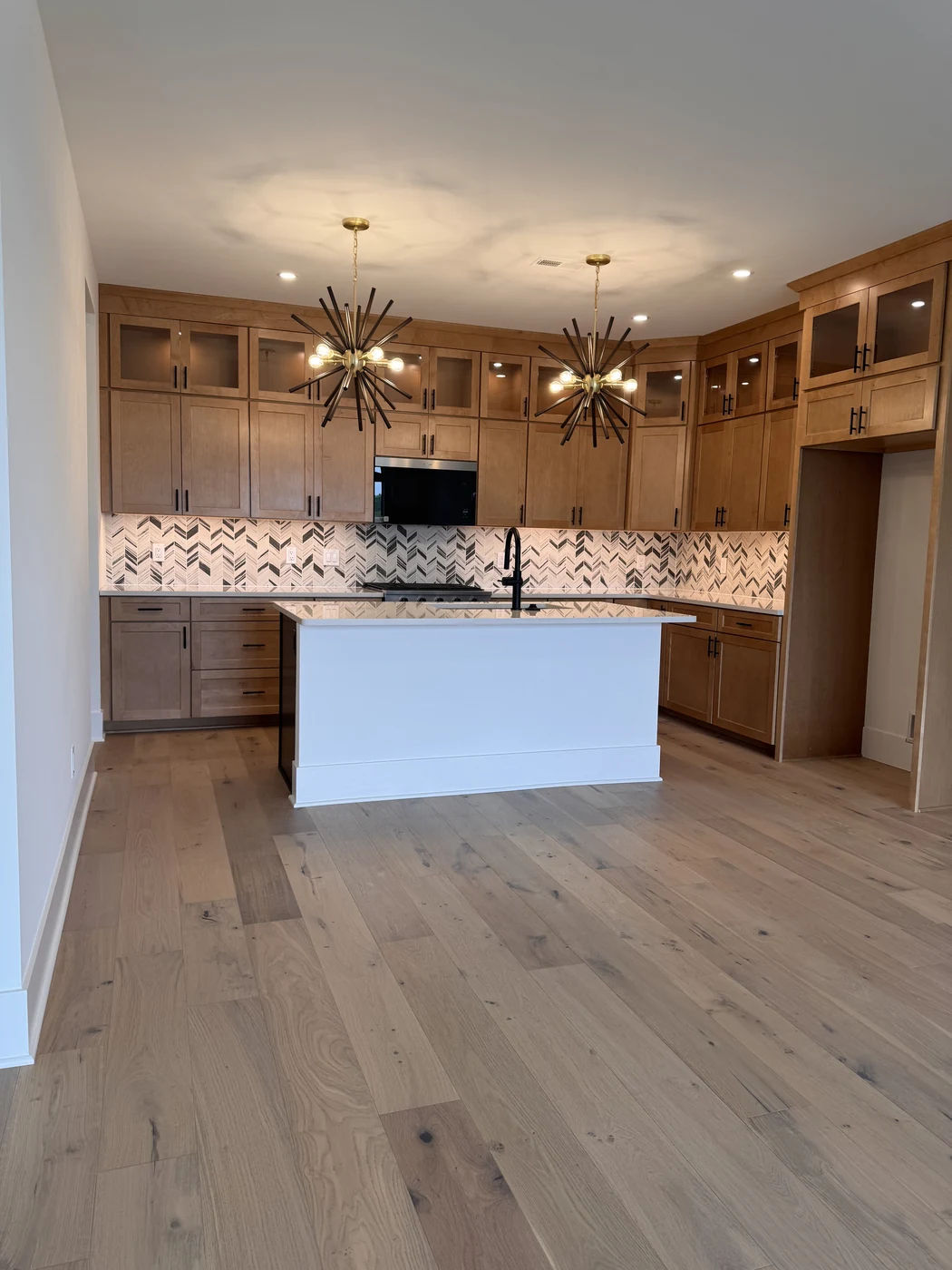
Warm wood kitchen finishes in a Southeast Michigan new construction model home design center

Most buyers walk into the design center prepared to choose colors. Few arrive with a written budget cap, a priority list, and a clear split between what must happen while the walls are open and what can wait until after closing. That gap is expensive.

Design center appointments in Wayne, Oakland, Washtenaw, and Livingston County communities typically run three to six hours for a full finish package. The environment is professionally designed: tactile samples, upgrade consultants, and time pressure. Strategy beats impulse every time.

If you have not reviewed your builder contract yet, read Builder Contracts Explained first. Selections become part of your purchase agreement. The contract and the selections sheet work together.

Who this guide is for

Buyers preparing for a design center appointment on a production or semi-custom build anywhere in Southeast Michigan. Move-up buyers comparing upgrade spend to resale value. And anyone who toured a model home and wondered how much it would cost to replicate what they saw.

Did you know?

A quartz countertop upgrade priced at $4,500 at the design center might cost $2,200 to $2,800 through an independent fabricator after closing. That does not make the design center price wrong. It reflects integration, warranty coverage, and convenience. Every upgrade dollar still requires a value judgment.

The Numbers

How Does Design Center Pricing Actually Work?

Builder upgrade pricing includes material cost, builder markup (often 40% to 100% on finishes), installation labor, project management overhead, and profit. You are paying for integration into the build schedule, not just the product on the sample board.

A practical planning formula for production homes: assume 8% to 15% of base price in total upgrades for a minimally customized home; 15% to 25% for a typical family buyer who upgrades kitchen, flooring, electrical, and bathroom finishes; 25%+ for buyers who replicate model home quality. On a $400,000 base, that is $32,000 to $100,000 in options.

Upgrade Category Typical Design Center Range Resale Value Recapture
Kitchen cabinet upgrade$8,000 to $25,00050% to 70% at resale
Countertops (quartz/granite)$3,000 to $8,00060% to 80%
Hardwood vs. standard LVP$4,000 to $12,00050% to 70%
Finished basement$25,000 to $60,00040% to 60%
Structural: bonus room, bath$15,000 to $40,00060% to 80%
Lighting package$2,000 to $6,00020% to 40%
Appliance upgrade$2,000 to $8,00030% to 50%

Illustrative ranges for Southeast Michigan production builders, 2026. Recapture rates are estimates, not guarantees.

Derica's Pro Tip

Decide your maximum upgrade budget before the design center appointment, not during it. Bring your cap in writing. Tell your consultant upfront: "Our budget is $X. Help us prioritize within that number."

During Construction

Which Upgrades Are Worth Paying For at the Design Center?

Some upgrades must happen during construction. They are expensive or impossible to retrofit once drywall goes up. Spend your money where the walls are open.

Structural and rough-in items: Additional bathrooms, bedroom count changes, garage size, window quantity and placement, electrical panel size, rough-in for basement finish, gas line for range or fireplace, outlet and circuit additions, plumbing rough-in for a future basement bath, and any change that requires framing modification.

Integrated finishes installed before close: Flooring that runs wall to wall (especially tile in wet areas), kitchen cabinetry layout and quality, shower tile and pan, HVAC zoning or upgrade, insulation package, and energy-efficient window tier if the base window is below your climate needs.

Exterior selections locked at build: Elevation materials, roof line changes, deck or patio footings poured with the foundation, and driveway extension if tied to the pour schedule.

After You Have Keys

Which Upgrades Are Better Completed After Closing?

Lighting fixtures: Builder fixture packages run $150 to $400 per fixture installed. Retail and online fixtures at $50 to $150 each, installed by an electrician after closing, save 50% to 70%. Take the builder's standard allowance and upgrade later.

Interior hardware: Cabinet pulls, door hardware, and towel bars are marked up heavily at the design center. Buy packages at retail and swap in a weekend.

Landscaping beyond basic sod: Trees, beds, irrigation, and hardscaping are almost always cheaper through local landscapers than builder exterior packages.

Window treatments, garage shelving, and closet systems: Rarely included at builder pricing that beats independent vendors. Budget for measurement and install after possession.

Upgrade At Design Center After Closing Recommendation
Recessed lighting (12 cans)$3,600 to $5,400$1,800 to $2,800After closing, if rough-in exists
Quartz countertops$4,500 to $7,000$2,500 to $4,000Design center (integrated timing)
Full basement finish$40,000 to $60,000$30,000 to $45,000Compare bids; rough-in at build
Deck (12x16)$8,000 to $14,000$5,500 to $9,000After closing unless tied to foundation
Interior door upgrade$2,500 to $5,000$1,200 to $2,500Design center if slab doors; swap hardware later
Fireplace surround upgrade$2,000 to $4,500$800 to $2,000After closing in most cases
Michigan Reality Check

I tell every design center buyer: spend your money where the walls are open. The moment drywall goes up, your negotiating position shifts from structural to cosmetic. Buyers who upgrade every light fixture and door handle at the center and then finance it for 30 years are paying $15,000 for something they could have done for $4,000 in the first six months of ownership.

Your Appointment

How Should You Approach the Design Center Appointment?

Before the appointment: Photograph the model home systematically. Every room, every fixture, every elevation detail. Build a priority list: must-have, nice-to-have, after-closing. Share it with your agent and design consultant before selections begin. Confirm the structural option deadline. Structural selections close earlier than finish selections, and missing that window is irreversible.

During the appointment: Start with structural and rough-in decisions, then kitchen and baths (highest cost rooms), then flooring, then everything else. Ask for itemized pricing on every selection before you move to the next room. Request a printed or PDF selections summary before you leave. Decline same-day signing pressure.

After the appointment: Review the selections summary against your budget cap. Identify items to downgrade before signing. Confirm that every verbal promise from the consultant appears on the written summary. Have your agent review the summary for inconsistencies with the floor plan and contract inclusions.

Derica's Pro Tip

Make your first design center visit a research trip only: no signing authority, no checkbook. Photograph, price, and leave. Sleep on it. Return for the signing appointment with your priority list finalized. Builders allow this more often than sales teams suggest.

Set Expectations

Why Does the Model Home Look Different From Your Home?

Model homes are sales tools. They include the maximum upgrade package, professional staging, upgraded landscaping, and sometimes features not available in the standard line: coffered ceilings, tray ceilings, built-in media walls. Ask the consultant to price your home as you are actually selecting it, not as the model is dressed.

If you toured before reading our Before You Visit a Model Home guide, use those questions on your return visit. Compare base inclusions to model finishes before you fall in love with a kitchen that costs $40,000 in upgrades.

Monthly Payment Impact

How Do Financed Upgrades Affect Your Long-Term Cost?

Upgrades roll into the purchase price and finance with your mortgage if your loan approval accommodates the higher price. A $50,000 upgrade package on a 6.75% 30-year mortgage adds roughly $325 per month, and about $64,000 in total interest over 30 years.

Some buyers pay for select upgrades in cash at the design center to avoid financing markup on markup. Know your debt-to-income ceiling before you select the premium quartz. Our New Construction Financing guide covers rate locks and loan structure for builds.

Financing Example

$50,000 in design center upgrades on a $450,000 home

Added monthly payment (6.75%, 30-year): ~$325
Total interest on upgrades over 30 years: ~$64,000

Illustrative only. Your rate, term, and approval will differ.

Your Checklist

What Should You Confirm Before You Sign Selections?

The selections summary becomes part of your contract package. Treat it with the same seriousness as the purchase agreement.

Reviewing your builder contract too?

Selections attach to your purchase agreement. Read Builder Contracts Explained and REALTOR for New Construction before you sign either document.

The Bottom Line

So, How Should You Spend Upgrade Dollars?

Prioritize structural and rough-in items during construction. Select integrated finishes that are painful to retrofit. Defer cosmetic items that independent contractors can install for less after closing.

Bring a written budget cap. Request itemized pricing. Refuse same-day signing pressure. Have your REALTOR review the selections summary against your contract.

The design center is not the enemy. It is a tool. Used with a plan, it gets you the home you want without financing $80,000 in upgrades you will not recoup.

Spend where the walls are open. Wait on what a weekend and a good contractor can fix after closing.

Disclaimer

Design center pricing, allowances, and policies vary by builder, community, and market conditions across Southeast Michigan. Upgrade recapture estimates are illustrative, not guarantees of resale value. This content is educational and does not constitute legal, tax, or financial advice. Consult your REALTOR, lender, and contractor for guidance on your specific build.

New Construction Questions

Frequently Asked Questions

How much should I budget for design center upgrades on a new construction home?+

Plan for 8% to 15% of base price for a minimally customized production home, and 15% to 25% if you want kitchen, flooring, and bath upgrades similar to the model. On a $400,000 base in Southeast Michigan, that is roughly $32,000 to $100,000 in options. Set a written cap with a 10% contingency before your appointment.

Are design center upgrades negotiable with Michigan builders?+

Finish upgrades are rarely discounted line by line, but builders sometimes offer design-center allowances, promotional credits, or package pricing on inventory homes. Structural options and lot premiums are more negotiable than countertop tiers. Your REALTOR compares incentive packages across communities so you evaluate net cost, not just the showroom price list.

What upgrades must be done at the design center during construction?+

Structural changes, rough-in items, and integrated finishes installed before close: extra baths or bedrooms, garage size, window placement, electrical panel and outlet additions, plumbing rough-in for a future basement bath, wall-to-wall flooring (especially tile in wet areas), kitchen cabinet layout, shower tile, HVAC upgrades, and foundation-tied exterior items like deck footings.

What design center upgrades can wait until after closing?+

Lighting fixtures, interior door hardware, landscaping beyond basic sod, window treatments, fireplace surrounds in many cases, garage shelving, and closet systems are often 50% to 70% cheaper through independent contractors after you have keys. Take builder-grade allowances on these and upgrade on your timeline.

Is it cheaper to upgrade at the design center or after closing?+

It depends on the category. Integrated items like quartz countertops and shower tile are usually worth selecting during the build for timing and warranty integration. Recessed lighting, cabinet pulls, and decorative fixtures are often dramatically cheaper after closing. Compare itemized design center pricing against one independent bid before you finance upgrades for 30 years.

Should I sign design center selections the same day as my appointment?+

We recommend against same-day signing. Most builders allow 48 to 72 hours to review the selections summary at home. Use that time to compare finishes against your daily life, not showroom lighting, and to confirm every verbal promise appears in writing. If it is not on the summary, it does not exist.

Why does the model home look better than what the base price includes?+

Model homes are sales tools. They include the maximum upgrade package, professional staging, upgraded landscaping, and sometimes features not available in the standard line such as coffered ceilings or built-in media walls. Ask the consultant to price your home as you are actually selecting it, not as the model is dressed.

How does financing affect design center upgrade decisions?+

Upgrades roll into the purchase price and are financed with your mortgage. A $50,000 upgrade package on a 6.75% 30-year loan adds roughly $325 per month and about $64,000 in total interest over 30 years. Some buyers pay for select upgrades in cash at the design center to avoid financing markup on markup. Know your debt-to-income ceiling before you select premium finishes.

What is the difference between structural and cosmetic design center options?+

Structural options alter the shell or systems and require framing changes: extra bedrooms, baths, garage bays, window additions, and rough-in for basement finish. Cosmetic options change appearance only: cabinet color, countertop material, fixture style, and flooring grade. Missing the structural window is irreversible. Many cosmetic items can wait.

Should I bring my REALTOR to the design center appointment?+

Yes. Your buyer's agent helps you stay within budget, spot items that belong in the base contract instead of the upgrade column, and review the selections summary against your purchase agreement. Design center consultants work for the builder. Your REALTOR works for you.

About the Author

Derica Wade

Derica Wade is Associate Broker with Real Estate One and leads the Hearts to Homes Team from Plymouth, Michigan. She works with buyers and sellers across Wayne, Oakland, Washtenaw, and Livingston counties, including extensive new construction experience in Canton, Northville, Brighton, Saline, and surrounding Metro Detroit markets.

This guide is part of the Hearts to Homes Resource Center, written and reviewed by Derica based on design center appointments and upgrade decisions her team has actually guided. It is kept current; see the last reviewed date in the hero above.

Read Derica's full background · Get in touch

Before You Go

Every home purchase is unique, and every builder, community, purchase agreement, lender, municipality, and title company may have different policies, timelines, requirements, and procedures.

The information in this guide is provided for educational purposes to help you better understand the new construction process and ask informed questions along the way. It is not intended to replace the guidance of your REALTOR®, builder, lender, inspector, attorney, title company, or other professionals involved in your transaction.

Builder policies regarding third-party inspections, construction access, walkthroughs, warranties, completion standards, timelines, and closing procedures can vary. Always review your builder’s specific requirements and consult with the appropriate professionals regarding your individual situation.

If you’re buying a new construction home in Southeast Michigan, we’re always happy to answer your questions and help you understand what applies to your specific home, builder, and community.

When You Are Ready

Heading to the Design Center? Start Here.

If this guide helped you separate must-have upgrades from nice-to-have finishes, you are ahead of most buyers who walk in without a budget cap. When you are ready to compare communities or review selections with an advocate in your corner, our team and Resource Center guides are here.

No pressure. No pitch. Just resources when you need them, and a conversation when you are ready.

"Spend where the walls are open. Wait on what you can upgrade yourself after closing."

The Hearts to Homes Team

Matching hearts to homes… and now communities, too.

Call or text: 734-323-4486 · derica@heartstohomesmi.com