Prepare & Pre-Approve
Credit review · Document collection · Program selection · Pre-approval letter · Budget for down payment and closing costs
Resource Center: buyer guides, financing education, blueprints, and tools for your home purchase journey.
Buyer Education · Michigan MortgagesCredit, pre-approval, loan programs, MSHDA assistance, closing costs, rate locks, and the full path from application to keys: explained with warmth and local expertise for Wayne, Oakland, Washtenaw, and Livingston county buyers.
Buying in Southeast Michigan starts with understanding how financing works: local lenders, MSHDA programs, property tax escrow, and competitive offers all shape your decisions. This guide follows the path buyers actually take: lender evaluation, pre-approval, credit, down payment, loan programs, closing costs, rate locks, underwriting, and closing. It is written for first-time buyers, move-up purchasers, relocating professionals, and anyone who wants clarity before choosing a lender or price range. No single loan program fits every household. Hearts to Homes uses an education-first approach: know your numbers before you fall in love with a floor plan.
Hearts to Homes is a licensed real estate brokerage, not a mortgage lender, financial advisor, tax advisor, accountant, or attorney. The information in this guide is for educational purposes only and does not constitute mortgage, financial, tax, accounting, or legal advice. Program eligibility, rates, loan terms, and assistance availability vary by lender, borrower, property, and program. Your chosen loan officer and other licensed professionals will determine what applies to your specific circumstances.
If you are preparing to buy, you are probably weighing three questions: how much can I afford, what will my monthly payment look like, and how much cash do I need at closing. Those are financing questions before they are house-hunting questions. Buyers across Plymouth, Canton, Novi, Brighton, Ann Arbor, and Livonia who answer them with verified pre-approval, not online calculators alone, make calmer offers and close more reliably.
Home financing means qualifying for a mortgage, choosing a program, documenting income and assets, locking a rate, and meeting lender conditions through closing. Your loan officer evaluates credit, employment, debt-to-income ratio, down payment source, and property eligibility. Your agent aligns offer terms with what your lender can deliver. In competitive markets, a strong local pre-approval letter can matter as much as a few thousand dollars in offer amount.
Nothing here replaces advice from your loan officer, financial planner, or attorney. Pair this guide with our First-Time Buyer's Guide for the full buyer journey, or explore Blueprint Library for move-up and relocation planning.
First-time buyers learning mortgage basics. Move-up buyers coordinating sale and purchase financing. Relocating professionals new to Michigan tax escrow and MSHDA options. Self-employed buyers preparing documentation. And anyone who wants to understand loan programs, closing costs, and underwriting before choosing a lender or writing offers.
When buyers ask where to start, I say: education before house shopping, numbers before neighborhoods. Smooth closings almost always belong to buyers who knew their approved range, cash-to-close estimate, and loan program before the first showing, not those who toured twenty homes before talking to a lender. Confidence grows quickly once you have real pre-approval in hand. Read for clarity first. When you are ready, we will connect you with reputable local lenders and build a showing strategy around your verified numbers, not pressure you toward a price that strains your budget.
Pre-approval is a lender's conditional commitment based on verified income, assets, credit, and employment, not a casual estimate or final loan approval. Final approval depends on underwriting and the property; your file must also stay stable. Sellers expect pre-approval before accepting financed offers. The letter names your loan amount, program, and sometimes down payment.
Expect pay stubs, W-2s or tax returns, bank statements, photo ID, and a credit pull. Self-employed buyers need additional documentation (covered later). Allow one to two weeks for a thorough review. Start before touring so you know your real range, not an online calculator's highest number.
Choose a lender experienced with Michigan transactions and your loan type. Avoid switching mid-transaction unless necessary. Your agent can recommend partners, but you choose the lender: compare Loan Estimates, not just rate quotes.
Hearts to Homes helps buyers understand the mortgage process and connect with trusted local lending professionals when requested. We do not originate loans, underwrite mortgages, or provide lending advice. You are free to choose any lender, including one you find on your own, and we will coordinate your home search around the terms your chosen lender provides.
Get pre-approved with a local lender who answers their phone before weekend showings. In multiple-offer situations across Canton, Northville, and Plymouth, sellers track which lenders close on time.
Your credit score reflects payment history, balances, account age, mix, and recent inquiries. Lenders use FICO scores from all three bureaus, often the middle score for conventional loans. Higher scores mean better rates and lower mortgage insurance, but income, reserves, and property type also matter.
Conventional programs typically require 620 minimum; strong pricing often starts near 740. FHA may accept 580 with 3.5% down. Confirm how your lender counts student loans in DTI, especially on income-driven repayment plans.
Before applying: pay revolving balances below 30% of limits, avoid new credit inquiries, and dispute reporting errors. Do not close old accounts abruptly. Ask your loan officer about rapid rescore options if your score is borderline.
After pre-approval, do not open new credit cards, finance furniture, or co-sign loans until closing. Lenders re-verify credit before closing; new debt can change your DTI and kill approval even days before signing.
Your down payment is the upfront portion of the purchase price; the mortgage covers the rest. It affects program options, monthly payment, mortgage insurance, and offer strength. On a $400,000 home, 3% down is $12,000, before closing costs, inspections, and reserves.
Conventional: 3% for qualifying first-time buyers, 5% for others; 20% eliminates PMI. FHA: 3.5% with qualifying credit. VA and USDA: zero down for eligible borrowers. Sources include savings, documented gifts, MSHDA assistance, or sale proceeds for move-up buyers (see our Seller's Guide).
Budget beyond the minimum down payment: closing costs, prepaid taxes, moving, and repair reserves add up. Get a full cash-to-close estimate from your lender. Avoid large undocumented cash deposits; lenders source every dollar.
Down payment isn't the finish line of your cash need. It's the starting point. Closing costs and Michigan tax escrow often surprise buyers who only saved for the minimum down.
Loan type determines down payment, mortgage insurance, property eligibility, and underwriting standards. Most Southeast Michigan buyers use one of four primary programs. Compare total monthly cost and cash-to-close, not just the interest rate headline.
Conventional conforming loans follow Fannie Mae and Freddie Mac guidelines. They may suit buyers with stable income, decent credit, and 3% to 20%+ down, though your lender will determine eligibility. PMI applies below 20% down and may be removable at 20% equity. Common for move-up purchases in Oakland and Washtenaw suburbs within conforming limits.
FHA allows 3.5% down with qualifying credit and more flexible DTI. Mortgage insurance includes an upfront premium and monthly premiums that often last the life of the loan below 10% down. FHA may suit first-time buyers rebuilding credit, though your lender will determine eligibility. Properties must meet FHA minimum standards; older Metro Detroit homes may need repairs before approval.
VA serves eligible veterans, active-duty service members, and qualifying surviving spouses with zero down and no monthly mortgage insurance in most cases. Funding fees apply unless exempt. Properties must meet minimum requirements similar to FHA.
USDA offers zero down in eligible rural and suburban areas with household income limits. Livingston County, western Washtenaw, and outer Wayne and Oakland townships include eligible addresses: verify by address, not city name. Many Brighton, South Lyon, and Pinckney-area addresses may be eligible.
Compare FHA vs. conventional 3% over ten years with your loan officer. The cheapest program at closing is not always cheapest over time.
MSHDA (Michigan State Housing Development Authority) administers down payment assistance, mortgage credit certificates, and income-qualified programs through approved lenders, not as a replacement for your primary lender. Income limits, price caps, and available funds vary by county; verify before building your budget.
Benefits may include zero-interest second loans repaid at sale or refinance, and Mortgage Credit Certificates reducing federal tax on a portion of mortgage interest. Most programs require HUD-approved homebuyer education.
MSHDA adds underwriting steps. Start early with an MSHDA-approved lender. Pair research with our First-Time Buyer's Guide and Michigan Property Taxes Guide for buyer and tax escrow context.
MSHDA funds can exhaust during busy spring markets. Confirm reservation availability and price limits for your target communities: Plymouth, Ypsilanti, and outer suburbs often have different caps than core Oakland County cities.
Closing costs are settlement fees beyond down payment: lender charges, appraisal, title insurance, recording, prepaid taxes, insurance, and escrow deposits. Michigan buyers typically pay 2% to 5% of purchase price; seller concessions may offset a portion but can weaken competitive offers.

You receive a Loan Estimate within three business days of application and a Closing Disclosure at least three business days before signing. Compare line items across lenders. Michigan prepaid tax escrow is often larger than buyers expect.
Purchase price: $350,000 · Down payment (5%): $17,500
Lender origination and underwriting (estimate): $2,800
Appraisal and credit report: $650
Title insurance and settlement fees (estimate): $2,400
Prepaid taxes and insurance escrow (estimate): $4,200
Recording and miscellaneous: $350
Illustrative only. Actual costs vary by lender, title company, tax cycle, and seller concessions. Always use your Loan Estimate and Closing Disclosure for planning.
Save an extra $3,000 to $5,000 beyond your lender's estimate for inspection items, moving costs, and immediate home needs.
Your rate determines total cost and monthly payment. Rates change daily with bond markets, Fed policy, inflation, and lender pricing. A quarter-point on a $350,000 loan can mean $50+ per month: meaningful long-term, but often less decisive than price, down payment, and tax escrow.
Rates include discount points, optional fees that buy a lower rate. Zero-point quotes help comparison; lender credits reduce closing costs but raise the rate. Run break-even math with your loan officer before buying points.
Do not let rate timing paralyze your plans. Focus on affordability within verified pre-approval and long-term goals across Community Guides.
A rate lock freezes your rate, points, and pricing for 30, 45, or 60 days: protecting you from increases before closing. Locks are not automatic with pre-approval; confirm in writing. Float-down policies may capture lower rates after locking, sometimes for a fee.
Lock when under contract with a realistic closing date, or when rates fit your budget. Extensions cost money if closing delays: common with new construction, appraisal backlog, or self-employed files. Winter transactions may need longer locks.
Changing programs or down payment after locking may require re-pricing. Communicate file changes immediately. Avoid large purchases or job changes during the lock period without lender guidance.
Pre-approval estimates a rate; a lock commits to pricing. Buyers who assume their quoted pre-approval rate will still be available weeks later at closing are often surprised, sometimes painfully.
Debt-to-income (DTI) compares monthly debts to gross income. Lenders calculate front-end DTI (housing only) and back-end DTI (all debts plus the new payment). Conventional caps often near 43% to 50%; FHA may allow higher; VA uses residual income analysis.
Student loans, car payments, credit card minimums, and co-signed loans count against you. Paying down balances before applying often expands buying power more than maxing DTI at a higher price. Bonus and overtime income often need two-year history.
Use DTI for a comfortable payment, not just maximum approval. Approved for $450,000 does not mean it fits your lifestyle across Metro Detroit's varied Community Guides.
Lenders verify income through recent pay stubs, two years of W-2s, and tax returns when required. Employment is re-verified near closing; job changes trigger re-underwriting. W-2 employees with consistent history have the straightest path.
Hourly, commission, and part-time income may need longer history and averaging. Gaps require explanation letters. Keep organized PDFs. Repeated requests delay clear-to-close.
Respond to lender conditions within 24 to 48 hours. Closings fail more often from slow document response than unfixable credit issues.
Self-employed buyers (owners, freelancers, contractors, and gig workers) may qualify using tax returns, P&L statements, and business bank statements rather than pay stubs, though your lender will determine eligibility. Lenders typically average net income over two years. Lower taxable income on returns reduces qualifying income.
Plan months ahead. Work with a lender experienced in self-employed underwriting before house hunting. Keep business and personal accounts clean; unexplained transfers raise red flags.
Do not deposit undocumented cash income. Discuss rising-income trend treatment with your loan officer early.
Self-employed buyers should meet their lender before picking neighborhoods. Shopping before your tax documentation is lender-ready can cost you homes.
Gift funds are common for first-time and move-up buyers. Lenders require a gift letter (no repayment expected), donor relationship, and amount. Donors may need bank statements. Wire gifts when possible for a clear paper trail.
FHA, conventional, and VA each specify eligible donors: typically family, not interested parties. Gifts can cover down payment and closing costs per program rules. Arrive before final underwriting verification.
Discuss gift structure with your loan officer before writing offers that depend on family help. Undocumented cash deposits are difficult to source.
New construction, whether production builders in Canton, Novi, or Brighton or a custom build, often follows a different timeline than resale. Contracts tie deposits, selections, and closing dates to milestones. Lenders approve the builder and may need extended rate locks of six to twelve months.
Before you tour, read Before You Visit a Model Home, REALTOR for New Construction, Builder Contracts Explained, and Design Center Upgrades. Construction-to-permanent loans combine build and permanent financing. Compare builder preferred lenders against outside Loan Estimates. Notify your lender before signing change orders that increase loan amount. Our Home Inspection Guide focuses on resale due diligence; many principles apply to final walkthroughs.
Appraisals use plans and specs; market shifts can create value gaps. Understand contingency protections and deposit exposure if financing or appraisal fails late in the build.
Mortgage financing unfolds in predictable phases from pre-approval through closing. Knowing the sequence helps you respond on time and align your home search with realistic closing dates, especially when coordinating a sale using our Seller's Guide or relocating into Southeast Michigan.
Credit review · Document collection · Program selection · Pre-approval letter · Budget for down payment and closing costs
House hunting · Offer with financing terms · Rate lock · Inspection · Appraisal ordered · Underwriting submission
Conditions cleared · Clear to close · Closing Disclosure review · Signing · Funding · Recording · Keys
Most financed closings in Metro Detroit take 30 to 45 days from accepted offer, but only when buyers, lenders, agents, and title companies hit every document deadline without delay.
The appraisal confirms the property supports the loan amount. Appraisers compare your contract to recent closed sales. If value meets or exceeds price, financing proceeds; if not, see our FAQ for gap options.
In fast-appreciating neighborhoods, appraisal gaps appear when contract prices outpace recent comps. Discuss contingency and gap coverage before offering above list.
FHA and VA require health and safety repairs before closing. Severe deferred maintenance on older Livonia, Redford, or Ypsilanti properties can complicate approval even on conventional loans.
Underwriting is the lender's full risk review after contract. The underwriter verifies income, assets, credit, appraisal, title, and program compliance, then issues conditions that must be cleared before approval.
Common conditions: updated pay stubs, bank statements, employment verification, insurance binder, HOA forms. FHA and VA may add property repairs. Respond promptly to processing emails.
Your agent and loan officer should communicate weekly. Surprises at clear-to-close often trace to conditions issued weeks earlier.
I use a shared conditions checklist during underwriting: lender, buyer, and agent columns. When everyone sees the same list, we close on time far more often.
Clear to close means underwriting is satisfied and closing can be scheduled. You receive a Closing Disclosure at least three business days before signing. Compare it to your Loan Estimate.

Maintain financial stability until signing. New debt, missed payments, or job changes can revoke approval even after clear-to-close.
Schedule your final walkthrough near closing. Verify wire instructions by phone before sending funds.
Closing day is when you sign documents, pay required funds, and take ownership after recording. Michigan closings typically occur at a title company or attorney office.
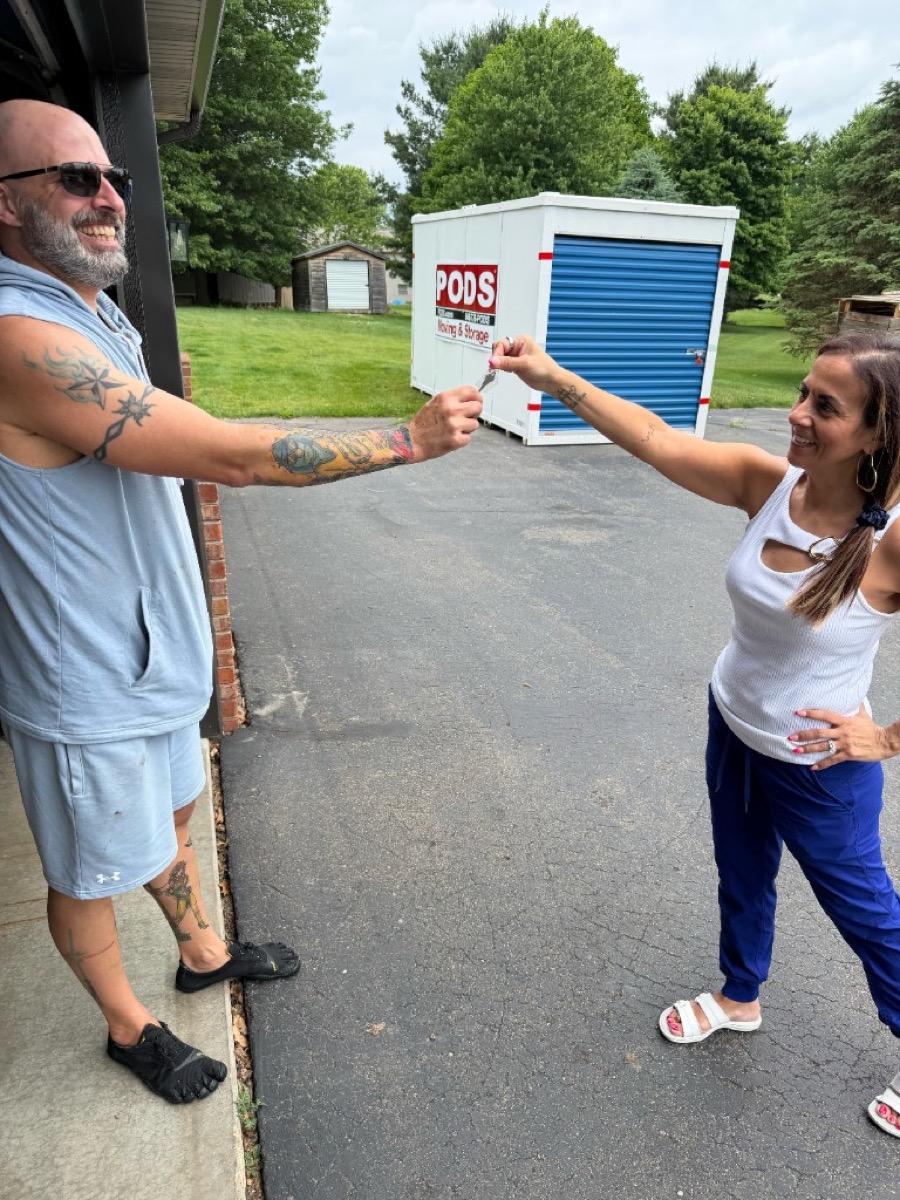
Plan 60 to 90 minutes; bring government ID and confirm wire versus cashier's check in advance.

Review name spelling, loan amount, rate, payment, and cash to close before signing. Ask questions on anything unclear.

After funding, you receive keys: often same day or next business day. Set up utilities, update your address, and file for Michigan Principal Residence Exemption (PRE). Our Michigan Property Taxes Guide explains taxable value uncapping and PRE deadlines.
Financing is one chapter. Inspections, offers, and community research complete the picture.
Michigan buyers face financing nuances that national articles skip. Here is what Southeast Michigan purchasers should understand before locking a loan.
Property taxes are a major monthly payment line item. Under Proposal A, taxable value uncaps after purchase: escrow may jump in year two even with a fixed rate. Budget from the seller's current tax bill, not as a guarantee. Read our Michigan Property Taxes Guide for uncapping math and PRE deadlines.
MSHDA flows through approved lenders who know Michigan timing. Local credit unions and community banks compete in Metro Detroit: compare Loan Estimates on service and closing reliability, not rate alone.
Winter purchases may face delayed exterior appraisals and snow-covered conditions at walkthrough. Heat must work for FHA and VA appraisals. Plan longer December to February timelines.
USDA zero-down eligibility reaches many Livingston, western Oakland, and Washtenaw addresses, including areas assumed too suburban to be eligible. Verify by property address; income limits apply to the household.
Wayne County spans Detroit neighborhoods to Plymouth and Canton suburbs. Oakland competes fiercely in Novi and Northville. Washtenaw's Ann Arbor market demands clean files and realistic appraisals. Livingston attracts USDA-eligible buyers. Match financing strategy to your target market, explore Community Guides before committing to a search area.
We align your search with verified financing, connect you with reputable local lenders, and review offer terms against your loan officer's capabilities: education before pressure, clarity before commitment.
The same financing mistakes appear again and again across Southeast Michigan buyers. Avoiding them protects your approval, your closing timeline, and the clarity you need to make confident decisions.
Falling in love with homes above your verified range wastes time and emotional energy. Pre-approval first, showings second.
Furniture financing, car loans, and credit card spending before closing change DTI and can revoke approval days before signing.
The lowest advertised rate means little if the lender misses deadlines or cannot close MSHDA, VA, or new construction files.
Down payment without closing costs and escrows leaves buyers scrambling. Use Loan Estimates, not guesswork.
Offering above list without a plan for low appraisal kills deals or drains reserves. Discuss contingencies before you offer.
Every 48-hour delay in uploading documents pushes closing. Treat lender requests as urgent until you sign.
This guide, and buyer representation from Hearts to Homes, is built for purchasers who want education first, local expertise, and honest guidance without pressure.
A first-time buyer learning how Michigan financing, MSHDA, and tax escrow work before you write offers
A move-up buyer coordinating sale proceeds, new loan terms, and timing across two transactions
Relocating into Wayne, Oakland, Washtenaw, or Livingston county and needing local lender and market context
Self-employed or commission-based with time to organize documentation before house hunting
Ready to compare loan programs, closing costs, and pre-approval letters before committing to a price range
Honest guidance includes telling you when a different approach may serve you better.
Paying cash and needing no mortgage process guidance beyond title and closing logistics
Purchasing investment property outside Southeast Michigan with no need for local buyer context
Seeking hard-money or creative financing structures requiring specialized legal and lending counsel
Facing active foreclosure, bankruptcy, or short sale requiring dedicated loss-mitigation professionals
Hearts to Homes treats financing education as part of buyer representation. Understand your loan program, cash to close, and offer terms before you commit emotionally: including what you can afford comfortably, not just a lender's maximum approval.
We recommend local lenders who communicate and close on time. We do not originate mortgages or receive lender kickbacks. Explore Find Your Fit, Blueprint Library, and buyer services page for planning and support.
Your mortgage outlasts the excitement of the offer acceptance email. Choose programs, payments, and lenders you understand, not ones you were rushed into because a listing deadline felt tight.
We would rather say upfront when we are not the right fit. Hearts to Homes prioritizes education, strategy, and clarity. We may not match if you want to stretch beyond verified pre-approval to win a bidding war, hide debts from your lender, or need representation far outside Southeast Michigan.
We are also a poor fit if you want to shop without speaking to a lender, or need specialized help with foreclosure, bankruptcy, or short sale recovery.
Exploring twelve to eighteen months out? This guide and our Resource Center remain valuable; a buyer consultation may wait until your timeline firms up. When ready, contact us or learn more about Derica Wade.
Home financing involves variables that differ by borrower, property, lender, and program. Rates, MSHDA limits, and guidelines change. This guide is educational and reflects general Michigan practices as of publication. Hearts to Homes is a licensed real estate brokerage and does not provide mortgage lending, financial, tax, accounting, or legal advice. This guide is for educational purposes only and does not constitute professional advice of any kind. Consult licensed loan officers, financial advisors, tax professionals, accountants, attorneys, and Realtors for guidance specific to your situation. All lending, financial, tax, accounting, and legal decisions rest with you and your advisors.
Most conventional lenders prefer a 620 minimum credit score, though the strongest rates and terms typically require 740 or above. FHA loans may accept scores as low as 580 with 3.5% down, or 500 with 10% down depending on lender overlays. VA and USDA programs have flexible guidelines but still review credit history, collections, and recent late payments. Southeast Michigan buyers in competitive price bands often need clean credit and documented reserves, not just a qualifying score, to win offers against other financed buyers.
Down payment requirements depend on your loan program, not Michigan state law. Conventional loans start at 3% for qualified first-time buyers and 5% for repeat buyers; FHA requires 3.5% with qualifying credit; VA and USDA offer 0% down for eligible borrowers. On a $350,000 home, 3.5% down is $12,250 before closing costs. MSHDA down payment assistance may reduce what you bring to closing if you meet income and purchase-price limits. Budget separately for closing costs, inspections, and moving expenses. Down payment alone is not your total cash-to-close number.
Pre-approval is a lender's conditional commitment based on verified income, assets, credit, and employment, not a casual estimate. In Southeast Michigan's competitive markets, sellers and listing agents treat pre-approval letters from reputable local lenders as evidence that a lender has reviewed your file, though final approval depends on underwriting and the property. Pre-approval defines your price range, monthly payment comfort zone, and loan program before you tour homes. It also surfaces credit or documentation issues early, when you have time to fix them. Hearts to Homes recommends full pre-approval before writing offers, not after you fall in love with a listing.
Michigan buyer closing costs typically range from 2% to 5% of the purchase price, covering lender fees, appraisal, title insurance, recording fees, prepaid property taxes, and initial escrow deposits. On a $350,000 purchase, expect roughly $7,000 to $17,500 depending on your rate, loan type, and whether the seller provides concessions. Property tax escrow is often higher in Michigan because taxes are paid in advance. Review your Loan Estimate within three business days of application and your Closing Disclosure at least three business days before signing.
Pre-qualification is a preliminary estimate based on self-reported information: useful for early budgeting but not sufficient for making offers in Metro Detroit. Pre-approval requires document verification, credit pull, and underwriting review of your file. Sellers accept pre-approval; they often ignore pre-qualification letters. The gap between the two matters most when multiple offers arrive on the same property. A buyer with verified pre-approval from a known local lender signals lower fall-through risk than a buyer with an online pre-qualification and no reviewed documentation.
From accepted offer to clear-to-close, most financed purchases in Southeast Michigan take 30 to 45 days, though 21-day closings are possible with prepared files and responsive parties. New construction, self-employed borrowers, gift funds, and appraisal delays extend timelines. Winter weather can slow exterior appraisals and municipal inspections. Start pre-approval weeks before house hunting so underwriting begins with a complete file. Your loan officer, agent, and title company share deadlines. Missing a document request by even 48 hours can push closing.
The Michigan State Housing Development Authority (MSHDA) offers down payment assistance, mortgage credit certificates, and targeted programs for qualified buyers meeting income limits, purchase price caps, and homebuyer education requirements. Programs vary by county and change periodically. Wayne, Oakland, Washtenaw, and Livingston counties each have distinct eligibility thresholds. MSHDA assistance often requires using an approved lender and completing a HUD-approved education course. Assistance may be structured as a zero-interest second lien repaid at sale or refinance. Verify current limits with an MSHDA-approved lender before assuming you may qualify. Eligibility depends on lender guidelines and current program rules.
Debt-to-income ratio (DTI) compares your monthly debt obligations to gross monthly income. Lenders evaluate front-end DTI (housing payment only) and back-end DTI (all debts including the new mortgage). Conventional guidelines often cap back-end DTI near 43% to 50% depending on compensating factors; FHA allows higher with approval; VA uses residual income analysis. High student loans, car payments, and credit card minimums reduce buying power even with strong income. Paying down balances or consolidating before applying can expand your approved price range more than chasing a slightly lower rate.
Yes: gift funds are widely accepted for primary residence purchases when properly documented. The donor must provide a gift letter stating the money is a gift with no repayment expected, plus proof they had funds to give. Large gifts may require bank statements from the donor. FHA, conventional, and VA each have specific sourcing rules; undocumented cash deposits are problematic. Plan gift timing so funds are in your account and paper trail is complete before the lender's final verification. Your loan officer should review gift structure before you write an offer relying on family help.
If the appraised value falls below the agreed purchase price, the lender will not finance based on the full contract price unless you restructure the deal. Options include renegotiating price with the seller, paying the gap in cash, splitting the difference, or exiting under appraisal contingency if your contract allows. In Southeast Michigan, appraisal gaps are common in rapidly appreciating neighborhoods and multiple-offer situations. Discuss appraisal contingency strategy before you offer, especially above list price, and understand whether your pre-approval assumed a successful appraisal at contract price.
A rate lock freezes your interest rate and discount points for a set period, typically 30, 45, or 60 days, protecting you from market increases before closing. Lock when you are under contract with a realistic closing date, or when rates fit your budget and you accept the cost of locking early. Float-down options may be available if rates drop after locking. Extensions cost money if closing delays. Michigan winter closings and new construction often need longer locks. Never assume your pre-approval rate is locked, confirm lock status in writing with your loan officer.
Southeast Michigan buyers commonly use conventional conforming loans, FHA for lower down payments and flexible credit, VA for eligible veterans and service members, and USDA for eligible rural and suburban addresses with income limits. Jumbo loans apply above conforming limits. MSHDA pairs with several programs for down payment help. Second homes and investment properties have stricter requirements. The best loan type depends on your credit, down payment, military status, property location, and long-term plans, not a generic online quiz. Compare total monthly cost, mortgage insurance duration, and cash-to-close across programs before choosing.
Buying in Southeast Michigan is a major transition. You should not decode pre-approval letters, loan programs, MSHDA options, and Closing Disclosures alone. Whether you apply in three months or write offers next week, we align your search with verified financing: honestly, with local knowledge and a plan tailored to your budget, not a generic pitch.
We work with buyers across Wayne, Oakland, Washtenaw, and Livingston counties weekly: first-time purchasers, move-up households, relocating professionals, and veterans. That conversation is free, takes about twenty minutes, and usually answers: "What can we afford, and are we ready?"
"Educated buyers make confident buyers. The more you understand before you write an offer, the more clearly you see whether a home fits your life and your loan."
The first conversation is educational, not a sales appointment. You leave with clarity, whether or not you work with us.
Hearts to Homes
Matching hearts to homes… and now communities, too.
Call or text: 734-323-4486 · derica@heartstohomesmi.com
Last Updated · July 21, 2026 · Reviewed by Derica Wade, Associate Broker · Hearts to Homes, Real Estate One · Equal Housing Opportunity