Before Listing
Walkthrough · Repairs · Declutter
Resource Center: seller guides, blueprints, prep checklists, and tools for your listing journey.
Seller Education · Michigan Real EstateYou deserve a clear path from first conversation to closing day: preparation, pricing, Michigan disclosures, offers, and net proceeds explained with warmth and local expertise across Wayne, Oakland, Washtenaw, and Livingston counties.
Selling a home in Southeast Michigan means coordinating preparation, pricing, marketing, disclosures, offer review, and closing logistics across Wayne, Oakland, Washtenaw, and Livingston counties, each with Michigan-specific rules national advice often misses. This guide walks you through the full process in the order decisions actually arise: from deciding whether to sell and preparing the property, through pricing strategy and showings, to reviewing offers, meeting disclosure requirements, responding to buyer inspections, and closing with a clear picture of net proceeds. We wrote it for owners selling a primary residence, move-up sellers balancing two transactions, downsizers right-sizing after decades in one home, and relocation sellers leaving Michigan who need local context without sales pressure. Selling involves real trade-offs on timing, list price, and repair credits, and no single timeline fits every household. Hearts to Homes guides sellers across Metro Detroit with an education-first approach: strategy before pressure, clarity before commitment. This page gives you the same framework we use before listing conversations begin.
Every seller's situation is different. Schedule a complimentary consultation with the Hearts to Homes team and we'll help you understand your options, answer your questions, and build a strategy that's right for you.
If you are thinking about selling, you are probably weighing three questions at once: what is my home worth, how long will this take, and how much will I actually net when it is done. Those are the right questions. One thing I've learned after years in this market: sellers who answer them in order, timeline and net proceeds before list price, make calmer decisions and negotiate from strength. We hear these questions from sellers in Plymouth, Canton, Novi, Livonia, Brighton, Ann Arbor, and across Metro Detroit every week, whether they are moving up, downsizing, relocating, or simply ready for a different chapter.
This guide answers them in the order the process actually unfolds, not the order a generic checklist would suggest. We cover deciding whether now is the right time, preparing your home and paperwork, pricing with real comparable data, marketing and showing strategy, reviewing and negotiating offers, meeting Michigan disclosure requirements, surviving the buyer's inspection period, closing cleanly, and planning your move-out. Along the way, we flag the Michigan-specific details that catch sellers off guard: transfer taxes paid at closing, seller disclosure obligations, point-of-sale municipal inspections in some communities, taxable value caps that do not transfer to buyers, and the sell-first versus buy-first decision for move-up households.
Nothing here replaces personalized advice from your attorney, tax professional, or listing agent. By the end, you should have a clear map of the entire journey and know exactly what to do next. If you are also buying your next home, pair this guide with our Move-Up Buyer's Blueprint or Downsizing Blueprint from the Blueprint Library.
Primary-residence sellers in Wayne, Oakland, Washtenaw, or Livingston counties. Move-up sellers coordinating a purchase. Downsizers transitioning to a smaller home or condo. Relocation sellers leaving Michigan who need local pricing and timeline context. And anyone who wants to understand the full selling process before choosing an agent or setting a list date.
When sellers ask where to start, I always say the same thing: strategy before listing, planning before pricing. The homes that sell smoothly, with fewer surprises at inspection and clearer numbers at closing, are almost never the ones where someone rushed to pick a list date. They are the ones where the seller understood their net-proceeds goal, their timeline, and what prep actually mattered before a sign went in the yard. Many of our sellers are surprised by how much stress drops once they have a realistic prep list and a net sheet in hand, even before they decide to list. I wrote this guide because educated sellers make calmer decisions. You don't need to commit to anything to work through these sections. Read for clarity first. When you are ready to talk through your specific home, we will build a customized plan around your goals, not pressure you toward a date that does not fit your life.
Preparation is where sellers win or lose days on market and thousands in final price. Buyers in Southeast Michigan compare your home to every other listing in their search alerts within minutes of your launch. The goal isn't a full renovation. It's presenting a clean, well-maintained, honestly represented home that photographs beautifully and shows without distraction. In my experience, the prep timeline matters more than most sellers expect, and starting early is one of the simplest ways to reduce stress before you ever go live.
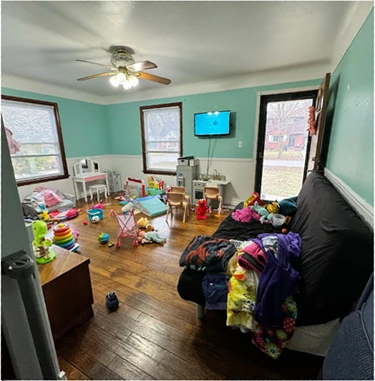
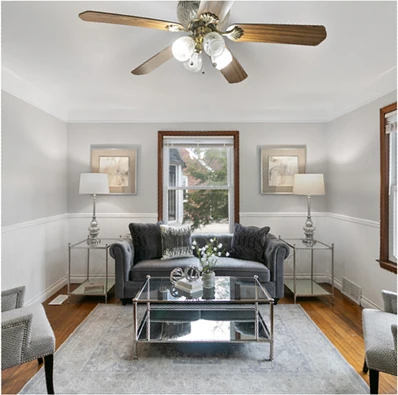
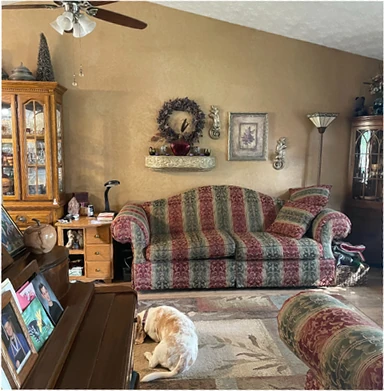
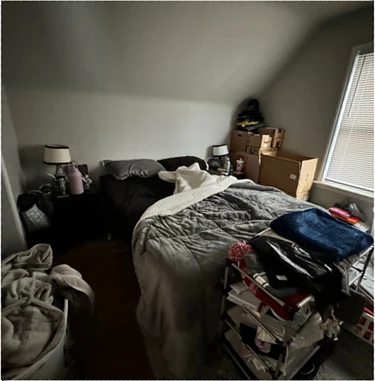
Start with decluttering and depersonalizing. Remove excess furniture, clear countertops, pack family photos, and create open sight lines. Buyers need to imagine their life in the space, not yours. Address deferred maintenance buyers will notice immediately: peeling paint, dripping faucets, sticky doors, burned-out bulbs, and worn carpet in high-traffic areas. Exterior curb appeal matters enormously in spring listings: fresh mulch, trimmed shrubs, clean walkways, and a welcoming front door set the tone before a buyer steps inside.
Gather documents early: mortgage payoff statement, HOA rules and dues, recent utility bills, warranty records, permit documentation for additions, and any repair invoices for major systems. If your community requires a point-of-sale inspection or certificate of occupancy, identify requirements before you set a list date so municipal delays do not blow up your closing timeline.
Professional photography and staging are not cosmetic luxuries in Metro Detroit's online-first market. Most buyers discover your home on their phone. Dark, cluttered photos reduce showings regardless of how good the house is in person. Our flagship guide, Preparing Your Home for the Market, walks through decluttering, room flow, lighting, curb appeal, photography prep, and showing readiness. For a narrative take, see our blog article. For sellers who want hands-on help, Len Wade, our Concierge Realtor at Hearts to Homes, coordinates contractors, schedules vendors, manages staging logistics, plans move timelines, and keeps sellers organized, so the listing period feels managed, not overwhelming.
A Plymouth seller spent six weeks on decluttering, minor repairs, and a pre-listing walkthrough before photos, not because the home was in poor condition, but because they wanted to enter inspections from a position of knowledge. When the buyer's inspector flagged an aging water heater, the seller had already priced for replacement and disclosed the timeline. The negotiation stayed focused on closing logistics, not a $4,000 credit request that might have derailed the deal.
Walkthrough · Repairs · Declutter
Photos · Staging · Landscaping
MLS · Marketing · Showing Plan
I recommend a pre-listing walkthrough six to eight weeks before your target list date, not to pressure you to list immediately, but to build a prioritized prep list with realistic timing. Sellers who start prep early almost always list cleaner, show better, and negotiate from strength.
Pricing isn't guessing what you hope the home is worth. It's positioning your property within the range buyers are actually paying for comparable homes in your school district, condition tier, and micro-market today, not six months ago. Before we ever talk about listing price, I want sellers to understand their net sheet: what you will actually walk away with after transfer taxes, commission, payoff, and concessions. Overpricing is the most expensive mistake Southeast Michigan sellers make. An overpriced home sits, accumulates days on market, and eventually sells for less than it would have with a strategic launch price.
A comparative market analysis (CMA) pulls recent closed sales, active competition, and pending transactions for homes similar to yours in location, size, age, and condition. Online estimates are starting points, not listing prices. They cannot see your finished basement, your new roof, your busy road, or the difference between Plymouth city and Plymouth Township taxes. Your listing agent interprets comps in context and recommends a launch strategy: sometimes slightly below market to generate multiple offers, sometimes at market for a unique property with limited competition.
Factor net proceeds into pricing conversations, not just sale price. A higher price with heavy buyer concessions or extended carrying costs may net less than a cleaner sale at a strategic price. Michigan sellers pay state and county transfer taxes, title and closing costs, prorated property taxes, and any negotiated repairs or credits. Understand your bottom line before you pick a number that looks good on a sign.
Market conditions shift by price band and community. A $280,000 ranch in Redford may behave differently from a $650,000 colonial in Northville or a $450,000 new-build resale in Canton. Seasonality matters too. Spring brings volume and competition; winter can favor well-prepared listings with less inventory. We review live market data with sellers before every listing decision with customized planning, not a one-size-fits-all price, and you can explore broader context in our Metro Detroit Real Estate FAQ.
Sale price: $350,000 · Mortgage payoff: $210,000
Commission (illustrative 5.5%): −$19,250
Michigan state transfer tax (0.75%): −$2,625
County transfer tax (~0.55%): −$1,925
Title, closing, and seller fees (estimate): −$1,800
Buyer concessions (example): −$3,500
Illustrative only. Commission rates are negotiable. Actual net depends on your mortgage balance, concessions, repairs, and municipal requirements. Always request a formal net sheet before listing.
Online estimates miss your finished basement, your updated kitchen, your school district, and your street. Schedule a complimentary consultation with the Hearts to Homes team and we'll run a real comparable market analysis — and a net proceeds estimate — before you decide anything.
Marketing a Southeast Michigan home in 2026 means meeting buyers where they search: the MLS syndicated to major portals, social channels, email campaigns to active buyer agents, and increasingly, video and virtual tours for relocation buyers previewing from out of state. Maximum exposure isn't about listing everywhere blindly. It's about presenting the home accurately, prominently, and professionally where qualified buyers are looking.
Your listing package should include professional photography, a compelling description with accurate details (bedrooms, baths, square footage source, school district, city or township), and a showing plan that keeps the home show-ready without exhausting you. We coordinate showing feedback so you know whether price, condition, or marketing, not just bad luck, is driving low traffic. Our approach is education first: you should understand what the data means before we adjust strategy.
Staging helps buyers understand room purpose and scale. You do not need a full furniture package in every home, but clear dining areas, styled primary bedrooms, and neutral living spaces consistently outperform vacant or cluttered rooms in showings across Wayne and Oakland counties. For occupied homes, we work with sellers on minimal staging adjustments that photograph well without a full redesign.

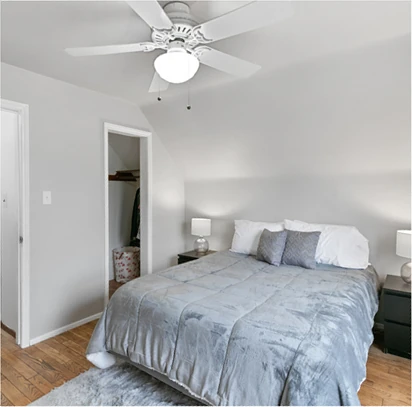
Want the full preparation playbook: decluttering, lighting, curb appeal, photography, and showings? Read Preparing Your Home for the Market.
Showings require logistics: pets secured, dishes cleared, lights on, thermostats set comfortably, and quick exits when agents arrive. Evening and weekend showings are normal in competitive markets. Security matters: use showing services, lockboxes managed through the MLS, and avoid leaving valuables in plain sight. Our seller services page outlines how we handle launch strategy, media, and showing coordination for listings across Metro Detroit.
Len Wade, Concierge Realtor at Hearts to Homes, helps sellers who want hands-on coordination throughout the listing period: scheduling contractors and vendors, managing staging logistics, coordinating move planning, and keeping sellers organized when showings, repairs, and deadlines stack up. It's one of the ways Hearts to Homes supports sellers who want clarity and structure, not just a sign in the yard.
When offers arrive, your agent presents each one with context, not just the headline price. A $5,000 higher offer with weak financing, a long inspection window, and a distant closing date may net less and close less reliably than a clean offer at market terms. Review earnest money amount, pre-approval or proof of funds, inspection and appraisal contingencies, closing timeline, included personal property, and seller concession requests.
In multiple-offer situations common in desirable Southeast Michigan school districts and walkable communities, you may request best-and-final submissions, set an offer deadline, or counter selected terms while holding backup interest. One pattern I consistently see: price matters, but certainty matters more. Cash offers, strong local lenders, and flexible possession dates often win when prices are close.
After acceptance, the buyer's inspection period begins. Buyers may request repairs, credits, or price adjustments based on findings. You are not obligated to agree, but unreasonable refusal on legitimate safety or major system issues can kill the deal. Prioritize structural, water intrusion, and failed major systems over cosmetic requests. A pre-listing inspection helps you negotiate from knowledge rather than surprise.
Appraisal contingencies protect buyers with financing. If the appraisal comes in below the agreed price, you may renegotiate, meet the gap, or risk the buyer exiting under contract terms. Your agent models these scenarios before you accept so you understand exposure. For broader buyer-side inspection context, including what buyers are looking for, see our Home Inspection Guide.
A Canton seller received two offers on a $425,000 listing: Offer A at $430,000 with a distant closing date, minimal earnest money, and financing from an out-of-state lender the seller had never heard of. Offer B at $422,000 with a local lender pre-approval, 30-day close, and the buyer covering the appraisal gap up to $5,000. The seller chose Offer B. It closed on time with no appraisal renegotiation, and net proceeds landed within $1,200 of the higher offer once carrying costs and concession requests were factored in.
The best offer isn't always the highest number. It's the combination of price, terms, and buyer reliability that actually gets you to closing with the net proceeds you planned for.
Michigan sellers must disclose known material facts about the property's condition and systems. The Seller's Disclosure Statement covers roof, foundation, plumbing, electrical, HVAC, water and sewage, insulation, environmental hazards, and other items defined on the form. Answer honestly based on your actual knowledge. "Unknown" is acceptable when true; guessing or omitting known defects creates post-closing liability.
Federal lead-based paint disclosures apply to homes built before 1978. Condominium sellers provide HOA documents and assessment information. Properties with private wells or septic systems require additional disclosures and often inspections buyers expect during due diligence. Flood zone status, prior insurance claims, and boundary or easement issues must be represented accurately.
Your listing agent helps you complete disclosures timely and deliver them according to purchase agreement requirements. Buyers rely on these statements during their inspection and financing process. Inconsistent information between your disclosure, the listing, and inspection findings erodes trust and invites renegotiation.
Disclosure is separate from municipal compliance. Some cities require point-of-sale inspections, smoke detector verification, or certificate of occupancy updates before transfer. Those are physical compliance steps, not form disclosures, and they can delay closing if started too late. Review our guides on point-of-sale inspections and certificates of occupancy if your community requires them.
Hiding foundation issues, prior water intrusion, or unpermitted work to get under contract faster often costs far more in legal exposure, lost buyer trust, and failed transactions than addressing or disclosing issues upfront. Michigan buyers discover problems during inspection. Plan accordingly.
Closing is the legal transfer of ownership from you to the buyer. In Michigan, title companies and closing attorneys coordinate document signing, fund disbursement, deed recording, and payoff of your existing mortgage. You will review a settlement statement showing sale price, credits, taxes, transfer taxes, commission, and net proceeds before signing.
Before closing, complete agreed repairs, provide municipal compliance certificates where required, remove personal belongings unless excluded in the contract, and leave the home broom-clean with agreed appliances and fixtures. Transfer keys, garage remotes, mailbox keys, and any warranty or manual packets at or before closing per your agreement.
Property taxes and HOA dues are prorated through the closing date. Cancel homeowners insurance effective closing day after ownership transfers. Schedule utility shutoffs or transfers and submit a USPS forwarding address. If you negotiated a rent-back to stay after closing while buying your next home, confirm terms in writing: daily rate, maintenance responsibility, and move-out deadline.
Proceeds are typically wired to your account after recording, which may be same-day or next business day depending on timing and fraud-prevention verification. Confirm wire instructions directly with the title company by phone, never rely on email alone for banking details.
Move-up and downsizing sellers face two transactions at once. Our Blueprint Library includes dedicated guides for sequencing your sale and purchase.
Michigan real estate has seller-side quirks that national advice rarely covers. Here is what Southeast Michigan sellers should understand before they list.
Michigan sellers typically pay state transfer tax (0.75% of sale price) and county transfer tax (approximately 0.55% in Wayne, Oakland, Washtenaw, and Livingston counties) at closing. Budget these on every net proceeds estimate. Many of our sellers are surprised that transfer taxes alone can exceed $4,500 on a mid-range sale before commission and other fees. Certain family transfers and specific exemption categories may qualify for reduced or zero state tax. Your title company confirms eligibility.
Under Proposal A, your capped taxable value is often well below market value after years of ownership. Buyers reset taxable value after purchase, which affects their financing escrow but not your sale price directly. Do not confuse your low tax bill with what buyers will pay after closing. Our Michigan Property Taxes Guide explains uncapping from the buyer side, which is useful context when buyers push back on tax estimates in negotiations.
When you sell your primary Michigan residence, your PRE ends at the property. File any required rescission with your local assessor and understand how partial-year homestead status affects your final tax proration at closing. If the home was not your primary residence, different tax rates may have applied. Disclose non-homestead status accurately.
Communities including portions of Metro Detroit require point-of-sale inspections, smoke detector compliance, or certificate of occupancy updates before transfer. Requirements vary by city: Dearborn, Livonia, Westland, and others have distinct processes. Start municipal research early; failed inspections delay closings and surprise sellers who assumed resale was plug-and-play.
Winter listings in Michigan require heated homes (especially vacant properties), cleared walks for showings, and honest representation of roof and drainage conditions buyers cannot fully evaluate under snow. Spring remains peak season, but well-maintained winter listings face less competing inventory in many price bands.
Wayne County communities like Plymouth, Canton, and Livonia offer varied price points and municipal rules. Oakland County markets including Novi, Northville, and South Lyon often move quickly in family-oriented segments. Washtenaw County (Ann Arbor) commands premiums near the university. Livingston County (Brighton, Howell) attracts buyers seeking value and space. Pricing and prep strategy should reflect your specific micro-market, not regional averages alone.
We run net-proceeds estimates, verify municipal requirements, and coordinate disclosure, inspection response, and closing prep on every listing: education and strategy before pressure, clarity before commitment. You should not be surprised by Michigan-specific costs or city compliance deadlines after you are under contract.
One pattern I consistently see across Southeast Michigan listings: the same mistakes show up again and again. Avoiding them protects your timeline, net proceeds, and sanity.
Chasing an aspirational number leads to stale listings, price reductions, and final sale prices below what a strategic launch would have achieved.
Deferred maintenance becomes buyer inspection leverage. Small upfront repairs often prevent larger credits later.
Point-of-sale failures and certificate delays push closings weeks. Research city requirements before you list.
Weak financing and heavy concession requests collapse deals. Evaluate net and certainty together.
Known defects discovered later destroy trust and invite legal exposure. Disclose honestly from the start.
Sellers who never model transfer taxes, commission, and payoff amounts are shocked at closing. Request a net sheet early.
This guide, and a full-service Hearts to Homes listing, is built for sellers who want education first, local expertise, and honest guidance without pressure.
Selling your primary residence in Wayne, Oakland, Washtenaw, or Livingston county
A move-up seller coordinating the sale of your current home and the purchase of your next one
Downsizing after years in the same home and wanting a realistic timeline for prep and proceeds
Relocating out of Michigan and needing a local team to manage the listing while you are elsewhere
Ready to understand net proceeds, Michigan disclosures, and offer strategy before you commit to a list date
Honest guidance includes telling you when a different approach may serve you better.
Committed to FSBO and only looking for confirmation, not process guidance
Selling investment property outside Southeast Michigan with no need for local municipal context
Facing foreclosure or short sale requiring specialized legal and lender workflows
Seeking an instant cash offer platform and willing to trade maximum price for speed alone
We are not the right listing team for every seller, and we would rather say so upfront than waste your time. Hearts to Homes works differently by design: education first, strategy over pressure, clarity before commitment. We may not be the best match if you want an agent who will automatically agree with an overpriced list number to win the listing, if you expect us to conceal known defects or pressure buyers to waive inspections, or if you need representation far outside our Southeast Michigan service area where we cannot provide competent local market guidance.
We are also a poor fit if you want zero involvement in showings, prep, or disclosure accuracy: selling successfully still requires your participation, even with full-service support. For foreclosure, short sale, or complex estate situations requiring specialized legal coordination, we can refer you to professionals who focus on those transactions daily.
If you are simply exploring and not ready to sell for 12 to 18 months, this guide and our Resource Center are still valuable, but a listing consultation may be premature until your timeline firms up. When you are ready for a straightforward conversation about your home and goals, contact us or review how we work with sellers on our Sell page.
Selling a home involves legal, financial, and market variables that differ by property, municipality, and buyer financing. Transfer tax rates, municipal requirements, and market conditions change. The information in this guide is educational and reflects general Michigan and Southeast Michigan practices as of publication. It does not constitute legal, tax, or financial advice. Consult a licensed attorney, tax professional, and Realtor for guidance specific to your situation. Commission rates are negotiable. Hearts to Homes is happy to connect you with trusted professionals and walk through the selling process, but all legal and financial decisions rest with you and your advisors.
The Michigan home-selling process typically follows eight stages: clarify your goals and timeline, prepare the home and gather documents, price using a comparative market analysis, list with professional marketing, show the property and review feedback, accept an offer and negotiate inspection items, satisfy disclosure and title requirements, and close at a title company or attorney office with fund disbursement. Most Southeast Michigan resale transactions take 60 to 120 days from listing to closing, longer if you are also buying your next home. A local listing agent coordinates showings, offer review, municipal requirements like point-of-sale inspections where applicable, and closing prep so you are not managing deadlines alone.
Michigan sellers typically pay 7% to 10% of the sale price in total selling costs, though commission rates are negotiable and every transaction differs. Common seller costs include real estate commission, Michigan state transfer tax (0.75% of the sale price), county transfer tax (approximately 0.55% in most Southeast Michigan counties), title and closing fees, property tax prorations, any seller concessions negotiated with the buyer, and pre-closing repairs or municipal compliance work. On a $350,000 sale, transfer taxes alone are roughly $4,550 before commission and other fees. Request a net-proceeds estimate before you list so you know what you will actually walk away with.
Michigan sellers must provide a Seller's Disclosure Statement covering the property's condition, known defects, water and sewage systems, environmental hazards, and other material facts. Federal lead-based paint disclosures apply to homes built before 1978. You must answer honestly based on your actual knowledge; misrepresentation creates legal exposure after closing. Additional disclosures may apply for condominiums, homes with wells or septic systems, and properties in flood zones. Your listing agent helps you complete the form accurately and deliver it within the timelines required by your purchase agreement.
In Southeast Michigan, well-prepared homes in active price ranges often receive offers within 14 to 45 days of listing, though market conditions, season, price point, and property condition vary widely. From accepted offer to closing, most transactions take 30 to 45 days for financed buyers and can be faster for cash. The full journey from deciding to sell through move-out commonly spans three to five months, and longer for move-up sellers coordinating a purchase. Homes needing significant prep, unique properties, or overpriced listings can sit 90 days or more.
Spring (April through June) is traditionally the strongest selling season in Southeast Michigan, with the most buyer activity and competitive showings, especially in family-oriented school districts. Early fall (September through October) is a secondary peak. Winter listings face fewer competing sellers but also fewer buyers; motivated winter buyers exist, and less inventory can work in your favor if your home shows well. The best time to list is when your home is fully prepared, your pricing strategy is set, and your personal timeline allows you to show flexibly, not when a calendar alone says so.
Michigan law does not require you to hire a listing agent; you may sell for sale by owner (FSBO). However, FSBO sellers still handle pricing, marketing, showings, offer negotiation, disclosure compliance, inspection response, and closing coordination, and most FSBO sellers net less after accounting for buyer-agent commissions and pricing errors. A full-service listing agent provides MLS exposure, professional photography, contract expertise, and negotiation advocacy. In competitive Southeast Michigan markets, professional representation typically pays for itself in price achieved, timeline, and reduced legal risk.
When multiple offers arrive, review more than the highest price. Compare financing strength, inspection contingency scope, appraisal gap coverage, closing date, earnest money amount, and whether the buyer is pre-approved with a reputable local lender. Your listing agent presents each offer in a side-by-side net sheet showing estimated proceeds after concessions and closing costs. You may counter one offer, invite best-and-final submissions, or accept outright. In Southeast Michigan's competitive segments, clean terms with strong financing often beat a higher price with risky contingencies.
Michigan assesses two transfer taxes on most residential sales, paid by the seller at closing unless otherwise negotiated. The state transfer tax is 0.75% of the sale price (for example, $2,625 on a $350,000 sale). The county transfer tax is typically 0.55% in Wayne, Oakland, Washtenaw, and Livingston counties ($1,925 on $350,000). Some transactions qualify for exemptions, including certain principal-residence transfers within family limits and specific foreclosure or government-related transfers. Your title company calculates exact amounts on the closing statement.
A pre-listing inspection is optional but often valuable in Southeast Michigan, especially on homes built before 1980 or with older mechanical systems. It surfaces issues before buyers do, letting you repair proactively, price accordingly, or disclose with confidence. Buyers still may order their own inspection, but surprises shrink when you have already addressed major items. Pre-listing inspections are particularly helpful before spring listings in established communities like Livonia, Redford, Dearborn, and older sections of Plymouth and Canton where sewer, roof, and electrical issues are common discovery points.
Net proceeds equal the sale price minus all selling costs and any remaining mortgage payoff. Subtract real estate commission, Michigan state and county transfer taxes, title and closing fees, seller concessions, prorated property taxes, HOA transfer fees, and any repairs or municipal compliance costs required before or at closing. Then subtract your mortgage payoff and any second liens or home equity lines. On a $350,000 sale with a $210,000 mortgage balance and typical costs, net proceeds might land near $95,000 to $115,000 depending on commission rate and concessions. Always verify with a net sheet from your agent and title company.
For most move-up and downsizing sellers in Southeast Michigan, selling first reduces financial risk: you know your exact equity, avoid carrying two mortgages, and can make stronger non-contingent offers on your next home. Buying first makes sense only when you find a rare property, have strong cash reserves, or can use bridge financing without strain. Rent-back agreements let you sell first and stay in the home 30 to 60 days while you close on your next property. Our Move-Up Buyer's Blueprint and Downsizing Blueprint walk through both sequences in detail.
At seller closing, you sign the deed transfer, settlement statement, and any required affidavits; the buyer's funds and lender proceeds pay off your mortgage and closing costs; and you receive net proceeds by wire or check after recording. You provide keys, garage openers, and any agreed manuals or warranties. Property taxes and HOA dues are prorated through the closing date. Plan to cancel utilities and forward mail after recording. Seller closing often takes 30 to 60 minutes and may occur separately from the buyer's signing appointment.
Selling in Southeast Michigan is a major financial and emotional transition. You should not have to decode pricing, disclosure forms, inspection negotiations, transfer taxes, and closing statements on your own. Whether you are three months from listing or ready to go live next week, we are here to walk you through the process with honesty, local knowledge, and a customized plan tailored to your timeline and net-proceeds goals, not a generic pitch.
We work with sellers across Wayne, Oakland, Washtenaw, and Livingston counties every week: move-up households, downsizers, relocation clients, and long-time owners selling the home where they raised their family. That conversation costs nothing. It takes twenty minutes. And it almost always answers the question sitting in the back of your mind: "What would we actually net, and is now the right time?"
"We believe educated sellers make confident sellers. The more you understand before you sign a listing agreement, the more clearly you can see whether any given strategy is actually the right move for your life."
The first conversation is educational, not a sales appointment. We'll walk through your home, your timeline, and what a realistic net sheet looks like. You leave with clarity, whether or not you list with us.
Hearts to Homes
Matching hearts to homes… and now communities, too.
Call or text: 734-323-4486 · derica@heartstohomesmi.com
Last Updated · July 21, 2026 · Reviewed by Derica Wade, Associate Broker · Hearts to Homes, Real Estate One · Equal Housing Opportunity