Roof nearing end of life
Shingles curling, granule loss, or 20+ year age. Budget $8,000 to $15,000 for replacement. Negotiate credit or seller completion before closing.
Resource Center: buyer guides, blueprints, community research, and tools for your home search.
Buyer Education · Michigan Real EstateFrom your first walkthrough to repair negotiations and specialty tests for radon and sewer lines, here is the complete guide to home inspections for Southeast Michigan buyers.
A home inspection is the moment you stop imagining what a house could be and start understanding what it actually is. In Michigan, that understanding matters more than most buyers realize.
Listings are designed to show you the best version of a home. Fresh paint, staged furniture, strategically angled photos, and a sunny Saturday open house can make almost any property feel move-in ready. A home inspection strips away that presentation layer and gives you an objective, professional assessment of the home's actual condition.
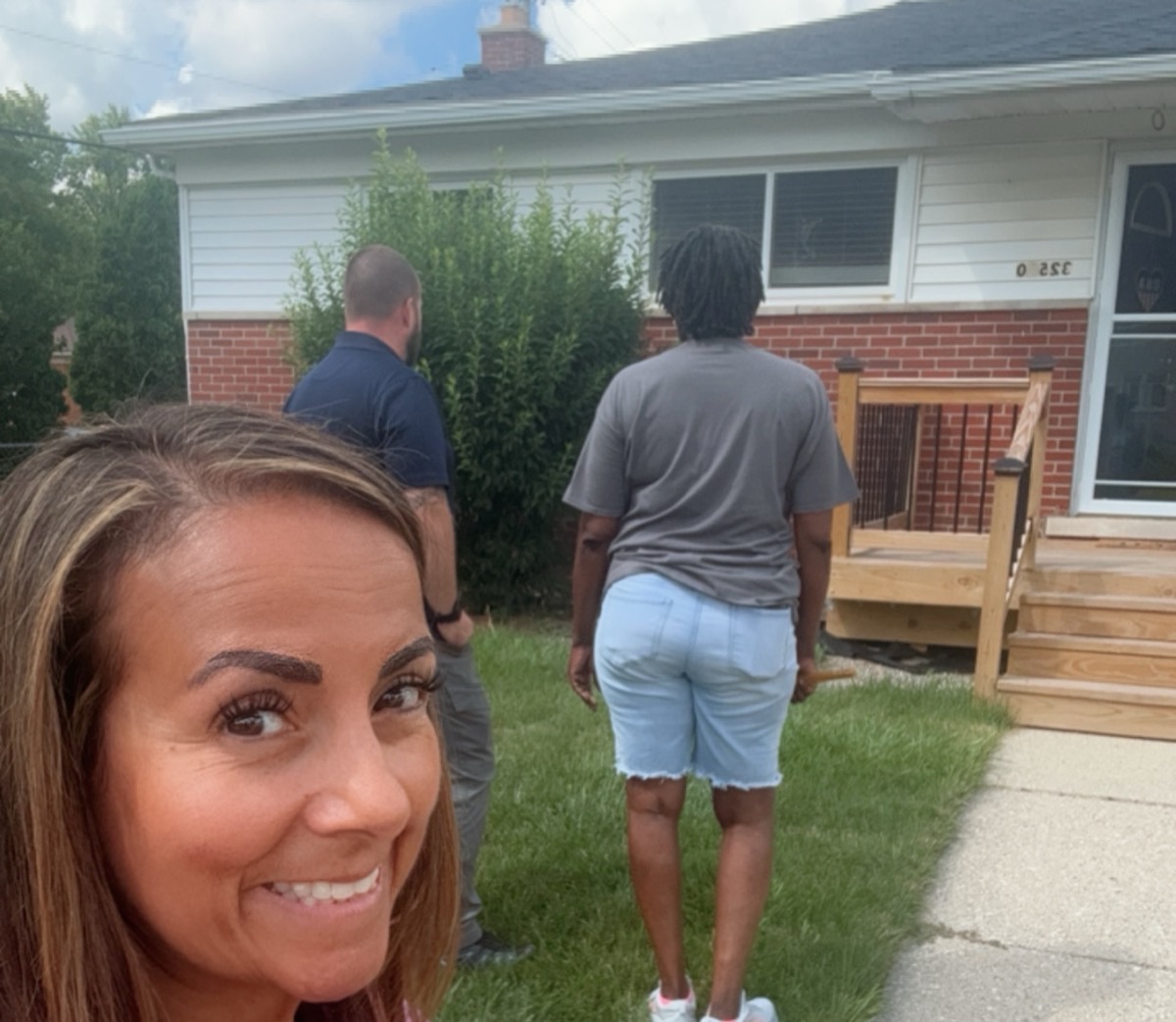
In Southeast Michigan, where much of the resale inventory was built between the 1940s and 1980s, inspections routinely surface issues that no amount of cosmetic updating can hide: aging roof shingles, clay tile sewer lines with root intrusion, Federal Pacific electrical panels, undersized insulation, frost-heaved driveways, and basement moisture that only appears after a hard spring rain. These are not reasons to panic. They are reasons to know what you are buying before you wire your earnest money and commit to a 30-year mortgage.
Michigan does not legally require buyers to obtain a home inspection. Your lender will not order one the way they order an appraisal. That makes the inspection entirely your responsibility, and entirely your protection. The cost, typically $350 to $550 for a general inspection, is trivial compared to the financial exposure of discovering a failed furnace, compromised foundation, or collapsed sewer line after closing.
The inspection also anchors your home inspection contingency, the contractual window that gives you the right to renegotiate or withdraw if findings are unacceptable. Without that contingency, you are buying as-is regardless of what an inspector might have found. If you are early in the buying process, our First-Time Buyer's Guide explains how inspections fit into the full offer-to-closing timeline.
An inspection does not tell you whether to buy a home. It tells you what buying this home actually means.
A home inspection is not a pass/fail exam and it is not a tool to renegotiate every scratched floorboard. It is an information-gathering exercise that helps you make an informed decision about one of the largest purchases of your life. The report belongs to you. Use it to budget for future maintenance, prioritize repair requests, and decide whether this home aligns with your financial comfort zone.
A standard Michigan home inspection follows guidelines established by the American Society of Home Inspectors (ASHI) and the International Association of Certified Home Inspectors (InterNACHI). The inspector conducts a visual, non-invasive examination of the home's major systems and components, then delivers a written report, usually within 24 to 48 hours, documenting findings with photographs and severity ratings.
The general inspection typically covers the roof, exterior cladding, foundation and structural components, electrical system, plumbing system, heating and cooling equipment, insulation and ventilation, interior rooms, windows and doors, fireplaces and chimneys where accessible, and permanently installed appliances. The inspector operates systems as a homeowner would: running faucets, testing outlets, cycling the furnace and air conditioner, opening and closing windows, and walking the roof or examining it from ladders and binoculars when safe.
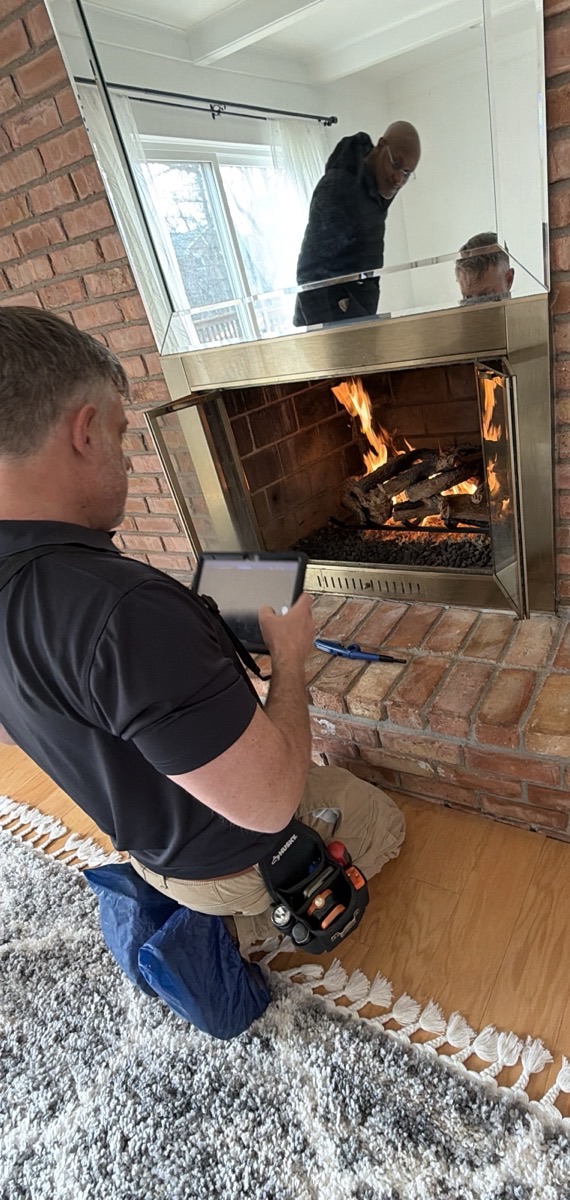
What the general inspection does not include is equally important. Inspectors do not move furniture, open walls, test for mold or asbestos, evaluate septic drain fields in depth, or guarantee that systems will not fail after closing. Think of the general inspection as a comprehensive physical exam, not an MRI. It catches the issues that are visible and accessible today. Specialty follow-ups handle what lies beneath.
Download our Home Inspection Blueprint (PDF) for a room-by-room checklist you can reference during the inspection and when reading the report. It is one of the most-used resources in our Blueprint Library, and it helps buyers translate inspector language into clear next steps.
The Home Inspection Blueprint walks you through every system, helps you read the report, and shows you how to prioritize repair requests.
Structural integrity is the single most important thing an inspector evaluates, because everything else in the home depends on a sound frame and foundation. The inspector examines load-bearing walls, floor joists, ceiling joists, rafters, beams, and posts for signs of movement, cracking, sagging, or improper modification.
In Southeast Michigan's older housing stock, particularly the brick bungalows and colonials built from the 1940s through the 1960s in Livonia, Redford, Dearborn, Garden City, and the older sections of Plymouth and Canton, inspectors frequently find evidence of prior renovations that may not have been permitted or professionally engineered. Removed load-bearing walls, notched floor joists, and DIY basement beam installations are common findings. Not every modification is a crisis, but unpermitted structural changes deserve follow-up with a licensed structural engineer.
Look for diagonal cracks at window and door corners, doors that stick or will not latch, floors that slope noticeably, and gaps between walls and ceilings. These can indicate settlement, frost heave, or lumber movement. Michigan's freeze-thaw cycles are hard on foundations and framing, especially on homes with poor exterior drainage. A hairline crack in a poured foundation wall is often cosmetic. A crack that is widening at the top, accompanied by bowing or horizontal displacement, is not.
Your inspector will also note whether additions, enclosed porches, and garage conversions appear structurally integrated with the original home or simply attached. In Michigan, unheated additions and Michigan rooms (three-season spaces) are common, and the transition points between old and new construction are where moisture and structural problems often begin.
Usually monitor: Hairline vertical cracks in poured concrete, minor plaster cracks, slight floor slope in 70-year-old homes.
Investigate further: Horizontal foundation cracks, stair-step cracks in brick below grade, doors that suddenly stick throughout the home, visible bowing of foundation walls.
The roof protects everything beneath it, and in Michigan it works overtime. Heavy snow loads, ice dams, freeze-thaw cycles, and summer storms take a measurable toll on shingles, flashing, and underlayment. Your inspector will evaluate the roof covering, estimate remaining useful life, check flashing around chimneys and vents, examine gutters and downspouts, and look for evidence of active or past leaks in the attic and upper-floor ceilings.
Asphalt shingle roofs, the most common type across Southeast Michigan, typically last 20 to 25 years depending on quality, ventilation, and maintenance. If the home has original shingles from a 1970s build, plan for replacement within the first few years of ownership. Architectural shingles installed in the 2000s may have a decade or more of life remaining. The inspector's estimated remaining life helps you budget, even if the roof is not leaking today.
Winter inspections present a roof visibility challenge. If snow cover prevents a full surface examination, note that limitation in your contingency planning. You can request a seller credit for a spring roof evaluation, or budget for a roofing contractor to inspect after snow melt. Do not assume a roof is fine simply because you could not see it. Ice dam staining on interior ceiling corners, damaged soffit and fascia, and granule loss in gutters are winter-visible clues that often tell the story.
Flat and low-slope roofs on mid-century ranches and commercial-style conversions in older neighborhoods require particular attention. Modified bitumen and built-up roofing systems have different lifespans and failure patterns than pitched asphalt shingle. Ponding water, membrane splits, and failed flashing at parapet walls are common findings on these styles.
Ice dams form when heat escapes through an under-insulated roof, melting snow that refreezes at the eaves. The resulting water backup can penetrate under shingles and into walls. Look for staining along exterior wall corners, icicle buildup, and damaged soffit. A roof that looks fine from the street may have years of ice dam damage hidden in the attic.
Foundation problems are among the most expensive repairs in residential real estate, and they are distressingly common in Michigan homes with poor drainage, mature tree root systems, and decades of freeze-thaw stress. Your inspector will examine foundation walls (poured concrete, concrete block, or stone), the sill plate where the frame meets the foundation, floor slabs, and signs of water intrusion or movement.
Poured concrete walls are standard in post-1950 construction across Canton, Novi, Brighton, and most suburban developments. Block foundations are common in pre-1960 homes and are more susceptible to bowing and mortar joint deterioration. Stone foundations appear in pre-war homes and early post-war construction in established neighborhoods. Each type has different failure patterns and repair costs.
Frost heave is a Michigan-specific concern. When moisture in the soil freezes and expands, it can push against foundation walls and displace slabs, sidewalks, and driveways. Signs include cracked and uneven garage aprons, step cracks in block walls, and basement floors that have heaved or cracked along control joints. Exterior grading that slopes toward the house rather than away compounds the problem by directing water against the foundation.
Basement waterproofing is a major industry in Southeast Michigan for good reason. Many homes have interior drain tile, sump pumps, or exterior waterproofing systems installed after years of seepage. An existing sump pump is not necessarily a red flag; many Michigan homes need them. But a sump that runs constantly, efflorescence (white mineral deposits) on walls, and active water stains tell you the foundation is managing ongoing hydrostatic pressure.
Water is the foundation's greatest enemy in Michigan. Where water goes, problems follow.
Electrical issues range from minor (missing cover plates, ungrounded outlets) to serious (overloaded panels, outdated wiring, fire hazards). Your inspector evaluates the service entrance, main panel and any subpanels, visible wiring type, outlet and switch condition, GFCI and AFCI protection where required, and the presence of properly labeled circuits.
Two panel brands generate immediate attention in Michigan's older homes: Federal Pacific Electric (FPE) Stab-Lok panels and Zinsco panels. Both have documented failure rates and may not trip properly under overload conditions. If either is present, consult a licensed electrician for evaluation and consider panel replacement in your budget. Many insurers also take note of these panels.
Knob-and-tube wiring, common in homes built before 1950 and sometimes still present in partially updated older colonials and bungalows, is not automatically a dealbreaker but requires careful evaluation. Insulation contact, brittle insulation, and unprofessional splices to modern Romex wiring are safety concerns. Some insurers will not cover homes with active knob-and-tube, and most lenders expect it to be addressed. If you see porcelain knobs and tubes in the basement or attic, plan for an electrician's assessment.
Aluminum branch circuit wiring, used in some homes built between 1965 and 1973, is another Michigan finding worth noting. Properly maintained aluminum wiring with approved connectors can be safe, but loose connections at outlets and fixtures create fire risk. GFCI protection in kitchens, bathrooms, garages, and outdoor outlets is required by modern code and is a common upgrade recommendation on older homes.
Panel replacement ($1,500 to $3,500), knob-and-tube remediation ($5,000 to $15,000+ depending on scope), GFCI outlet installation ($200 to $600), and whole-house surge protection ($300 to $600). Get electrician quotes on significant findings before you finalize repair negotiations.
The plumbing inspection covers supply lines, drain lines, fixtures, the water heater, and water pressure throughout the home. Your inspector runs faucets, flushes toilets, checks under sinks for leaks, evaluates the water heater's age and condition, and notes the material of visible supply and drain piping.
Galvanized steel supply lines, common in homes built before 1960, corrode from the inside out and eventually restrict water flow and cause discolored water. Many Southeast Michigan bungalows and colonials still have partial galvanized runs even after kitchen and bath updates. Copper and PEX are modern standards. Cast iron drain lines are durable but can crack with age and root intrusion at exterior connections.
Water heater age and capacity matter for family-sized households. A 40-gallon tank may be adequate for a couple but insufficient for a family of five with back-to-back showers. Tankless units require different maintenance and venting considerations. Check the manufacture date on the label (often encoded in the serial number) and budget for replacement if the unit is past 10 to 12 years.
Low water pressure can indicate corroded galvanized lines, a failing pressure regulator, or municipal supply issues. High pressure can stress fixtures and water heaters. Your inspector notes pressure qualitatively; a plumber can measure precisely if concerns arise. Sump pump discharge lines, foundation drain connections, and the main sewer cleanout location are also documented, setting the stage for a sewer scope if recommended.
Michigan buyers need reliable heat. Period. Your inspector operates the heating system (forced air furnace, boiler, or heat pump), evaluates the cooling system if present, checks thermostat function, examines visible ductwork, and notes the approximate age and condition of equipment. A furnace that cannot maintain temperature on a February inspection day is telling you something important.
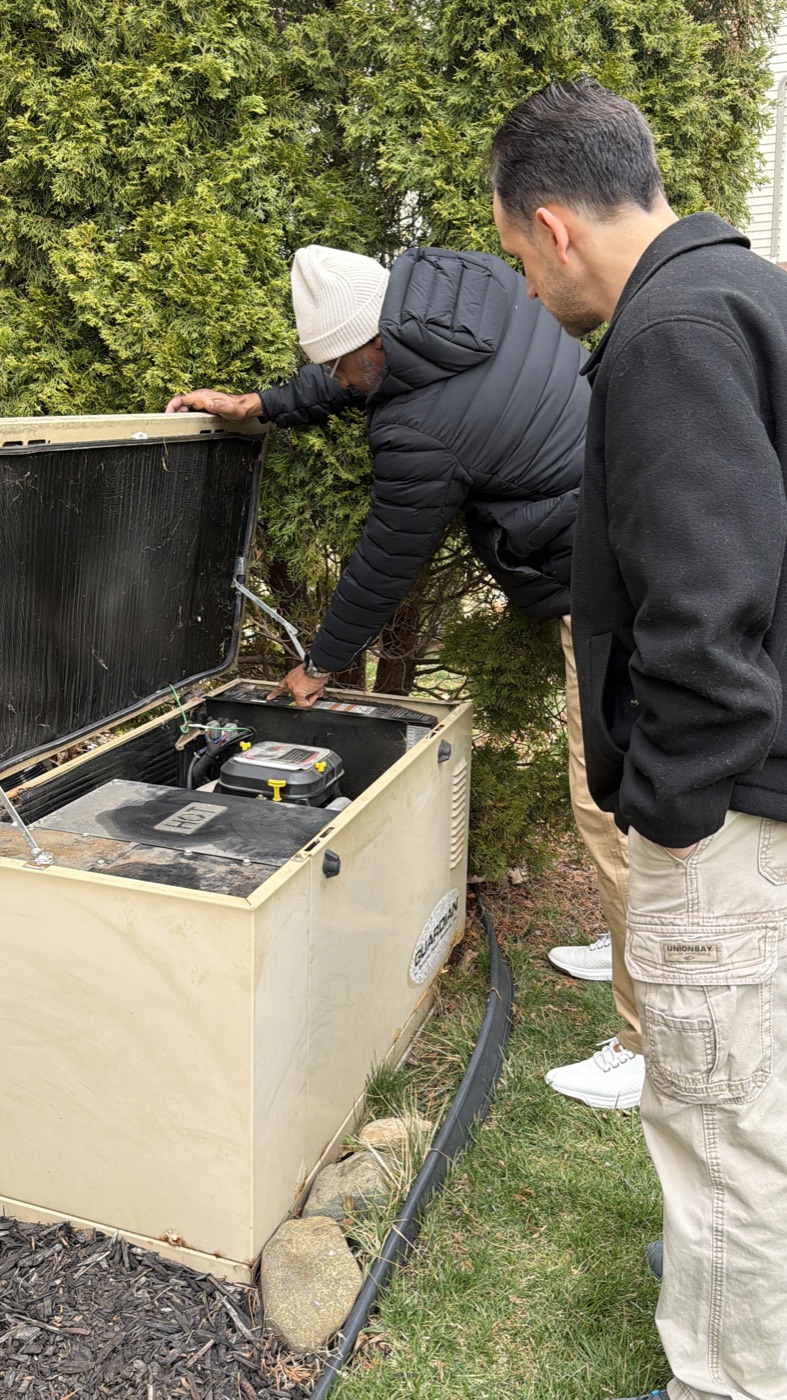
Forced air gas furnaces are the dominant heating type across Southeast Michigan suburbs. High-efficiency condensing furnaces require proper venting and condensate drainage; improper installation is a common finding in homes where equipment was replaced without full code compliance. Boilers, still present in older colonials and some multi-level homes, heat water circulated through radiators or baseboard. They last a long time but are expensive to replace ($5,000 to $12,000).
Central air conditioning is not universal in Michigan, especially in older homes where window units or none at all were the norm. If the home has central AC, the inspector checks operation and estimates remaining life. Compressors typically last 12 to 15 years. A system that blows warm air in July may need a recharge, or it may need full replacement.
Ductwork in unconditioned spaces (attics, crawl spaces, garages) should be insulated and sealed. Leaky ducts waste energy and can pull unconditioned air into the system. In homes with additions, mismatched duct sizing and improvised return air paths are common. Ask your inspector whether the system appears adequately sized for the home's square footage; undersized equipment runs constantly and still cannot keep up.
Gas furnace: $3,500 to $7,000 installed
Central air conditioner: $4,000 to $7,500 installed
Boiler replacement: $5,000 to $12,000 installed
Windows and exterior doors are the thermal weak points of any home, and in Michigan's climate they matter enormously for both comfort and energy costs. Your inspector checks that windows open, close, and lock properly; evaluates glazing condition (single-pane, double-pane, failed seals); notes condensation between panes; and looks for rot in wood frames and sills.
Original single-pane windows in 1950s and 1960s brick colonials are charming but thermally inefficient. Condensation on interior glass in winter, drafty sashes, and rotting wood sills are routine findings. Storm windows can help but are not a permanent substitute for replacement. Failed double-pane seals (cloudy glass) mean the insulating argon gas is gone and the window has lost most of its thermal benefit.
Exterior doors should close and seal against weatherstripping without gaps. Garage-to-house doors must be fire-rated and self-closing in most jurisdictions. Sliding patio doors are notorious for track wear, lock failures, and seal breakdown. French doors and older steel doors in mid-century ranches often need weatherstripping replacement and hardware adjustment.
Window and door replacement is expensive ($500 to $1,500 per opening installed), so prioritize rooms you will use most and address failed seals and rot first. Drafty windows are not a reason to walk away from an otherwise solid home, but they are a reason to adjust your first-year ownership budget.
Proper insulation and ventilation work together to keep a Michigan home warm in winter, cool in summer, and dry year-round. Your inspector evaluates attic insulation depth and type, wall insulation where visible (electrical outlet openings, attic knee walls), basement rim joist insulation, and ventilation systems including attic soffit and ridge vents, bathroom exhaust fans, and kitchen range hoods.
Many Southeast Michigan homes, especially those built before 1980, are under-insulated by modern standards. Attics may have 3 to 6 inches of older fiberglass batting when current recommendations call for R-49 or more in Michigan's climate zone. Under-insulated attics drive heat loss, ice dam formation, and high utility bills. Blown-in cellulose or fiberglass topping is one of the most cost-effective upgrades a new owner can make.
Ventilation failures cause a different set of problems. Bathroom fans that vent into the attic rather than through the roof deposit moisture directly onto insulation and roof sheathing, promoting mold and rot. Kitchen range hoods that recirculate rather than exhaust do not remove cooking moisture. Attics without adequate soffit-to-ridge airflow trap heat in summer and moisture in winter.
If your inspector notes inadequate insulation or ventilation, get quotes from insulation contractors. Attic insulation upgrades typically cost $1,500 to $3,500 and pay back through lower heating bills within a few Michigan winters. Ventilation corrections (proper exhaust fan ducting, additional soffit vents) are usually modest in cost but high in impact.
A well-insulated but poorly ventilated attic is a recipe for ice dams, mold, and shortened roof life. Insulation keeps heat in the living space. Ventilation removes excess heat and moisture from the attic. You need both working together, especially in homes with cathedral ceilings and finished attic spaces.
The attic tells stories the main living areas cannot. Your inspector enters the attic when safe and accessible, evaluating roof sheathing condition, framing, insulation depth, ventilation, signs of past or active roof leaks, pest evidence, and proper exhaust fan terminations. In Michigan, the attic is where ice dam damage, inadequate insulation, and ventilation failures become visible.
Water staining on roof sheathing (the plywood or boards beneath shingles) indicates past leaks even if the ceiling below has been painted over. Dark staining, mold growth, and softened wood are active concerns. The pattern of staining often points to the failure location: around chimneys and vent pipes (flashing issues), along eaves (ice dams), or in valleys (debris accumulation and worn shingles).
Attic framing reveals whether the roof structure is original, modified, or compromised. Sagging rafters, sistered (reinforced) joists, and cut truss members suggest past problems or unpermitted work. In older homes with finished attic bedrooms, verify that the conversion was done with proper egress windows, adequate floor structure, and code-compliant access.
Pest evidence (rodent droppings, chewed insulation, wasp nests) is common in Michigan attics, especially in homes near wooded areas in Northville, Plymouth Township, Brighton, and South Lyon. Pest issues are usually manageable but should be addressed before you move in. Insulation that has been disturbed by animals loses effectiveness and may need replacement.
Basements are the norm in Southeast Michigan, and they deserve careful inspection attention. Your inspector evaluates foundation walls, floor slabs, moisture evidence, sump pump operation, visible plumbing and electrical runs, support posts and beams, and signs of past flooding or water management systems. Crawl spaces, found in some older homes and certain ranch styles, receive the same scrutiny when accessible.
Basement moisture is the most common finding in Michigan inspections, and it exists on a spectrum. Minor efflorescence on walls after spring thaw is common and often manageable with exterior grading improvements. Active seepage through wall cracks, standing water on the floor, and a sump pump that runs every few minutes indicate more serious hydrostatic pressure that may require professional waterproofing ($5,000 to $15,000+).
Finished basements require extra attention. Water damage can be concealed behind drywall, and mold can develop on framing that was not properly treated after a past flood. Musty odors, staining at the base of finished walls, and recently replaced baseboard in only one section of the basement are clues. Your inspector cannot see through walls, but experience and moisture meters can flag areas that deserve further investigation.
Crawl spaces with dirt floors, especially in older homes without vapor barriers, contribute moisture to the entire structure. Encapsulation (sealing the crawl space with vapor barrier, insulation, and dehumidification) is an effective but costly remedy. Support posts in crawl spaces should be plumb, properly footed, and free of rot at the base.
Sellers must disclose known material defects, including past flooding and water intrusion, on Michigan's Seller Disclosure Statement. Compare the seller's disclosures against what the inspector finds. Discrepancies are worth discussing with your agent and attorney before you proceed.
Home inspectors test permanently installed appliances that are included in the sale: kitchen range and oven, dishwasher, garbage disposal, microwave (if built-in), and any other appliances specified in the purchase agreement. They verify basic operation, check for leaks at dishwasher and refrigerator water connections, and note age and condition.
Appliance age matters less than appliance function, but both inform your budget. A 15-year-old dishwasher that cleans properly may last several more years. One that leaks, makes grinding noises, or fails to complete cycles is a near-term replacement ($400 to $1,200). Confirm which appliances the seller is including before inspection day so the inspector knows what to test.
Range hoods and exhaust systems are often overlooked but important. A hood that does not vent to the exterior or has a clogged filter contributes to grease buildup and moisture in the kitchen. Anti-tip brackets on free-standing ranges are a safety item inspectors check; missing brackets are an easy fix but a real hazard in homes with children.
Refrigerators, washers, and dryers are typically personal property unless specifically negotiated into the sale. If they are included, ask the inspector to verify basic operation. Washer drain connections and dryer venting (properly routed to the exterior, not into the attic or crawl space) are safety and maintenance items worth checking.
Understanding what a general home inspection does not cover is just as important as knowing what it does. Inspectors are generalists, not specialists. They identify conditions that warrant further evaluation but do not perform invasive testing, environmental sampling, or code-compliance certifications.
Not included in a standard inspection: mold testing and remediation assessment, asbestos and lead paint identification (assume lead in pre-1978 homes), radon testing (separate service), sewer line camera inspection (separate service), well water quality testing, septic drain field evaluation, termite and pest inspections (separate license in Michigan), swimming pools and spas, detached outbuildings (unless specifically requested), underground storage tanks, and cosmetic items like paint color and carpet wear.
Inspectors also do not estimate repair costs, guarantee future performance, or determine property value. They document conditions visible on the day of inspection. A furnace that starts today may fail next month. A roof that shows no active leaks may develop one after the first heavy storm. The inspection is a snapshot, not a warranty.
When the general inspector flags a concern beyond their scope, follow up with the appropriate specialist: licensed electrician for panel and wiring issues, plumber for sewer and supply line concerns, structural engineer for foundation movement, roofing contractor for end-of-life shingles, and environmental tester for radon. Building a complete due diligence picture often means stacking a general inspection with two or three specialty evaluations.
The general inspection is the foundation of due diligence, not the entire building.
National home inspection advice misses the realities of buying in Southeast Michigan. Our housing stock, climate, soil conditions, and infrastructure create a specific set of inspection priorities that every local buyer should understand before making an offer.
Much of the resale inventory in Livonia, Redford, Dearborn, Garden City, Taylor, and the older sections of Plymouth, Canton, and Westland consists of brick bungalows and colonials built in the two decades after World War II. These homes are solidly constructed but carry predictable inspection findings: galvanized supply lines, cast iron drains, undersized electrical panels, minimal attic insulation, original windows, and clay tile sewer connections. They are wonderful homes with good bones. Go in with realistic maintenance expectations.
Michigan winters affect what inspectors can evaluate. Snow-covered roofs, frozen ground hiding drainage problems, and dormant landscaping can mask exterior issues. But winter reveals what summer cannot: heating system performance under load, draft patterns, ice dam evidence, and whether a vacant home has been kept heated to prevent pipe freeze. If you buy in winter, plan spring follow-ups on roof and exterior drainage. Do not treat winter limitations as a reason to skip inspection.
Michigan has elevated radon potential, and basements (present in the majority of Southeast Michigan homes) are the primary exposure zone. Every buyer should test during the inspection period, regardless of what the seller reports from a test five years ago. See the radon section below for testing and mitigation details.
Homes built before 1980 in established communities frequently have clay tile or cast iron sewer laterals that are vulnerable to root intrusion, settlement, and collapse. A sewer scope inspection is cheap insurance on these properties. See the sewer scope section for guidance on when to order one.
Pre-1950 homes and partially updated older colonials may still contain knob-and-tube wiring. Federal Pacific Stab-Lok panels appear routinely in 1960s and 1970s construction. Both require electrician evaluation and may affect insurance eligibility and repair negotiation strategy.
Michigan's freeze-thaw cycle creates two structural enemies: ice dams (roof and attic moisture damage from heat loss) and frost heave (soil expansion that cracks foundations, slabs, and driveways). Inspectors in our market know to look for the telltale signs: ceiling corner staining, damaged soffit, step cracks in block foundations, and uneven garage aprons.
A 1955 brick colonial in Livonia and a 2005 colonial in Novi will produce very different inspection reports. Use our Community Guides to understand the typical housing stock, age ranges, and infrastructure in the neighborhoods you are considering before inspection day.
Radon is a colorless, odorless, radioactive gas that occurs naturally in soil and can accumulate in homes, particularly at the basement level. The EPA identifies radon as the second leading cause of lung cancer in the United States. Michigan's geology places much of the state in moderate to high radon potential zones, and Southeast Michigan basements provide exactly the enclosed, low-ventilation environment where radon concentrates.
Radon testing is not part of a standard general home inspection. It is a separate service, typically $125 to $175, using a continuous radon monitor placed in the lowest lived-in level of the home (usually the basement) for a minimum of 48 hours under closed-house conditions. Windows and exterior doors should remain closed during the test period except for normal entry and exit.
The EPA action level is 4.0 picocuries per liter (pCi/L). If your test meets or exceeds this level, install a radon mitigation system. Mitigation typically involves a vent pipe and fan that draws radon from beneath the slab and exhausts it above the roofline. Cost: $800 to $1,500 installed. Many Michigan homes already have mitigation systems; verify they are functioning and retest after occupancy if the home has been vacant.
Do not skip radon testing because a seller provides an old test result, because the neighbor's house tested low, or because you plan to finish the basement later. Test during your inspection contingency on every home with a basement or crawl space. Radon levels can vary significantly between adjacent properties. If you are buying in a community you have not yet researched, our Find Your Fit Quiz helps you compare neighborhoods while you build your due diligence checklist.
When: During inspection contingency, 48-hour minimum test.
Where: Lowest lived-in level, away from drafts and exterior walls.
Action level: 4.0 pCi/L per EPA; negotiate mitigation if at or above.
The sewer lateral, the underground pipe connecting your home's plumbing to the municipal sewer main or septic system, is one of the most expensive components to replace and one of the least visible during a standard inspection. A sewer scope inspection sends a waterproof camera through the cleanout into the lateral, revealing cracks, offsets, bellies (low spots where waste accumulates), root intrusion, and collapsed sections.
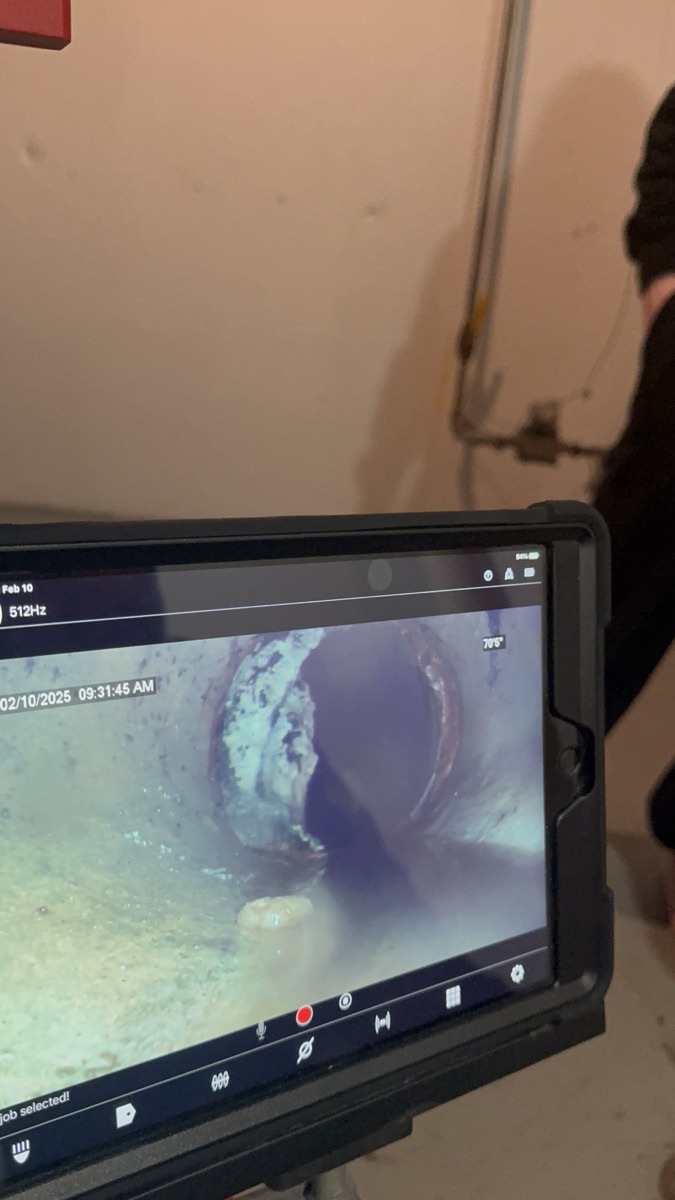
In Southeast Michigan's older communities, clay tile sewer lines are the norm for homes built before 1980. Tree roots, particularly from mature maples, oaks, and willows common in established neighborhoods, seek the moisture at pipe joints and can infiltrate clay tile over decades. Cast iron laterals, used in some mid-century construction, corrode from the inside and eventually fail at the bottom of the pipe.
Order a sewer scope on any home built before 1980, any home with mature trees between the house and the street, any home where the general inspector notes slow drains or gurgling fixtures, and any home where the seller discloses past sewer backups. The scope costs $200 to $350. A full lateral replacement can run $5,000 to $15,000 or more depending on depth, length, and whether the connection requires city street excavation.
A seller who had the drains "snaked" before listing is not the same as a camera scope inspection. Snaking clears a blockage temporarily. Scoping reveals the structural condition of the entire lateral. Insist on a camera inspection, not just a clean bill of health from a plumber who ran an auger.
If the scope reveals problems, you have the same negotiation options as any inspection finding: request seller repair or replacement, negotiate a credit, or walk away if the issue exceeds your tolerance. Some municipalities in Wayne and Oakland counties have sewer line warranty programs or shared-cost replacement policies. Ask your agent whether the city has any programs that might reduce your exposure.
Not every Southeast Michigan home connects to municipal water and sewer. Properties in townships across Livingston County (Brighton, Hartland, Howell), western Wayne County, northern Washtenaw, and rural sections of Oakland and Macomb counties may rely on private wells and septic systems. These are not automatic dealbreakers, but they require specialized inspection beyond the general home inspection.
Well inspection evaluates water flow rate (gallons per minute), pressure tank and pump operation, well head condition and sanitation (proper cap, no surface water pooling near the casing), and water quality testing for bacteria (coliform, E. coli), nitrates, and common contaminants. A well that produces adequate flow today can decline as aquifer conditions change. Budget $300 to $500 for a comprehensive well evaluation and water test.
Septic inspection examines the tank (often requiring pumping to inspect baffles and condition), distribution box, and drain field performance. Signs of septic failure include slow drains throughout the house, sewage odors, unusually green grass over the drain field, and standing water near the tank. Septic replacement costs $10,000 to $25,000+ depending on soil conditions, system type, and county health department requirements.

Michigan's Time of Sale (TOS) septic inspection requirements vary by county. Livingston County and some other jurisdictions require septic evaluations at property transfer. Even where not required, ordering a septic inspection on any home with a private system is smart due diligence. For a deeper dive, see our Well and Septic Buyer's Guide.
Homes on well and septic also carry ongoing maintenance responsibilities that city-connected homes do not: periodic septic pumping (every 3 to 5 years), well water testing, and careful management of what goes down drains and toilets. Factor these into your ownership costs alongside mortgage, taxes, and insurance.
Our Well and Septic Buyer's Guide covers testing requirements, county regulations, and negotiation strategies for rural and township properties.
Every inspection report includes findings. Even well-maintained homes generate a list of observations, recommendations, and minor defects. The goal is not a spotless report. The goal is understanding which findings matter and which are routine maintenance items you will handle as an owner.
Shingles curling, granule loss, or 20+ year age. Budget $8,000 to $15,000 for replacement. Negotiate credit or seller completion before closing.
Efflorescence, wall cracks with staining, active sump pump cycling. Range from grading fixes ($500) to full waterproofing ($5,000 to $15,000).
Documented safety concerns. Panel replacement typically $1,500 to $3,500. Request seller credit or replacement before closing.
Furnace or AC over 15 to 20 years. May run fine today but represents near-term replacement. Get contractor quotes for negotiation leverage.
Common in pre-1980 homes. Blown-in upgrade costs $1,500 to $3,500. Lower priority for negotiation but high value for your first-year comfort.
Missing GFCI protection in kitchens, baths, garages, and outdoors. Inexpensive fix ($200 to $600) but a legitimate safety item to request.
Remember that inspector reports use severity language: "monitor," "recommend evaluation," "safety concern," and "defect" carry different weights. Our Home Inspection Blueprint includes a guide to reading severity ratings and deciding which findings belong on your repair request list versus your first-year maintenance budget.
Receiving the inspection report is when many buyers feel overwhelmed. A 40-page document with dozens of photographs and observations can make a solid home look like a disaster. Take a breath. Your agent and inspector can help you separate genuine concerns from routine maintenance notes.
Start by categorizing findings into three buckets: safety and structural (address before or at closing), major systems (negotiate repair, credit, or price adjustment), and routine maintenance (handle as owner). Safety issues like exposed wiring, missing handrails, and active gas leaks belong in bucket one. End-of-life roof and HVAC belong in bucket two. Peeling exterior paint and a loose toilet handle belong in bucket three.
Michigan purchase agreements typically give buyers a defined inspection period (seven to fourteen days is common) to deliver a written notice of defects and proposed resolution. You may request that the seller complete specific repairs, provide a closing cost credit, or reduce the purchase price. The seller can accept, counter, or refuse. If you cannot reach agreement and your contingency protects you, you may terminate and recover earnest money.
Effective negotiation is strategic, not adversarial. Lead with your top three to five items backed by contractor quotes where possible. A seller is more likely to respond to "licensed roofer estimates replacement at $11,200" than to a laundry list of 30 minor items. In competitive markets, asking for every scratch is a good way to lose the deal. In balanced markets, reasonable requests are expected and usually accommodated.
Credits at closing are often cleaner than seller repairs. You choose the contractor, control quality, and avoid delays from seller-selected vendors doing minimum work. Some lenders cap the total credit amount, so confirm with your loan officer before requesting a large credit. And remember that repair costs sit on top of your ongoing ownership expenses, including property taxes that may jump after Michigan's taxable value uncaps. Our Property Taxes Guide helps you budget the full picture.
You are not trying to make the home perfect. You are trying to align the purchase price and terms with the home's actual condition and your budget for immediate work. A home with $8,000 in needed repairs is a different value proposition than the same home with everything in working order. Negotiate accordingly.
Lead with safety, back it with quotes, and keep your request list short enough that a reasonable seller can say yes.
In competitive Southeast Michigan markets, some buyers waive the inspection contingency to make their offer more attractive. Sellers and listing agents perceive waived inspections as fewer hurdles to closing. In a multiple-offer situation, it can be the difference between acceptance and a polite rejection. I understand the pressure. I still rarely recommend full waiver.
Waiving the inspection contingency means you lose your contractual right to renegotiate or withdraw based on inspection findings. You can still inspect the home for your own information, but the seller has no obligation to address anything you discover. If the inspection reveals a $20,000 foundation problem, you either absorb it or walk away and forfeit your earnest money, depending on your contract language.
A middle ground exists and is worth discussing with your agent: inspection for informational purposes only. You retain the right to inspect and learn the home's condition, but you agree not to request repairs or credits except for major safety or structural defects exceeding a dollar threshold you define in the offer. This gives the seller confidence that you will not nickel-and-dime them over GFCI outlets while preserving your ability to walk away if the foundation is crumbling.
Even buyers who waive the contingency should still hire an inspector. The information has value even without negotiation leverage. You need to know where the shut-offs are, what the panel looks like, and whether the furnace is on its last legs. You just cannot use the findings to reopen negotiations unless your contract specifically allows it.
On older Michigan homes, especially brick bungalows and colonials from the 1940s through 1960s, full waiver is particularly risky. These homes have decades of systems, repairs, and hidden conditions that no walkthrough will reveal. If you are considering waiver to compete, talk to your agent about alternative strategies: stronger earnest money, flexible closing date, appraisal gap coverage, or the informational-only approach. Sometimes the best move is to walk away from a seller who demands full waiver on a 65-year-old home rather than accept unlimited risk.
Even if you waive the inspection contingency, your lender still orders an appraisal with a basic condition review. An appraisal is not an inspection. The appraiser notes obvious issues but does not test systems or evaluate structural integrity. Do not conflate the two.
Home inspection standards, costs, and negotiation outcomes vary by property, inspector, contract terms, and market conditions. Michigan does not license home inspectors at the state level; verify your inspector's credentials, insurance, and professional affiliations independently. The information in this guide is educational and reflects general Michigan and Southeast Michigan practices as of publication. It does not constitute legal, engineering, or environmental advice. Consult licensed inspectors, contractors, attorneys, and environmental specialists for guidance specific to your property. The Hearts to Homes Team is happy to connect you with trusted professionals and walk through the buying process.
Michigan does not legally require a home inspection for buyers. However, nearly every lender and real estate professional strongly recommends one for resale purchases. An inspection is your primary due diligence window to discover structural, mechanical, and safety issues before you are fully committed to the purchase. Skipping inspection to make an offer more competitive is a gamble that can cost far more than the inspection fee when hidden defects surface after closing.
A standard general home inspection in Southeast Michigan typically costs between $350 and $550 for a single-family home, depending on square footage, age, and location. Specialty inspections add to that total: radon testing often runs $125 to $175, sewer scope inspections $200 to $350, and well or septic evaluations $300 to $500 each. Budget $600 to $1,200 total for a thorough due diligence package on an older home in Wayne, Oakland, Washtenaw, or Livingston counties.
Plan for two to four hours for a standard inspection on a typical Southeast Michigan colonial, ranch, or bungalow. Larger homes, older properties with multiple additions, or homes with crawl spaces and detached structures take longer. Your inspector may need additional time to access attics, evaluate multiple HVAC zones, or document extensive findings. Schedule the inspection early in your contingency period so you have time for specialty follow-ups if needed.
Yes, if your schedule allows. Attending the inspection, even for the final 30 to 45 minutes, gives you context that a written report alone cannot provide. You can ask questions in real time, see where shut-off valves and electrical panels are located, and hear the inspector explain which findings are urgent versus routine maintenance. Your agent can attend on your behalf if you cannot be there, but being present helps you make better repair negotiation decisions.
A home inspection contingency is a clause in your Michigan purchase agreement giving you a defined period, usually seven to fourteen days after acceptance, to conduct inspections and either proceed, request repairs or credits, or withdraw from the contract and recover your earnest money if findings are unacceptable. The contingency protects you from being forced to buy a home with undisclosed major defects. Never sign an offer without understanding exactly how long your inspection window lasts and what notice requirements apply.
Schedule radon testing during your general inspection contingency period, ideally as a simultaneous or next-day test. Michigan has elevated radon potential statewide, and basements, common across Southeast Michigan housing stock, are primary exposure zones. A short-term test takes 48 hours minimum under closed-house conditions. If levels meet or exceed 4.0 pCi/L, the EPA recommends mitigation. Do not skip radon testing because a seller says they tested years ago; retest during your due diligence window.
A sewer scope inspection sends a camera through the main sewer line from the house to the municipal connection or septic tie-in, revealing cracks, root intrusion, bellied sections, and collapsed clay tile. You need one on homes built before 1980 in established Southeast Michigan communities like Livonia, Redford, Dearborn, Plymouth, and older sections of Canton and Novi, where clay tile lines are common. A scope costs a few hundred dollars. A full sewer line replacement can exceed $10,000.
Yes. After receiving the inspection report, you may request that the seller complete repairs, provide a closing credit, or reduce the price. Michigan purchase agreements do not guarantee the seller will agree to anything, but repair negotiations are standard practice. Focus on safety issues, structural concerns, active water intrusion, and failed major systems before cosmetic items. Your agent helps prioritize requests and frame them in a way sellers are more likely to accept.
If the inspection reveals major problems such as foundation movement, active roof leaks, failed HVAC, knob-and-tube wiring, or a collapsed sewer line, you have several options within your contingency period: request significant repairs or credits, renegotiate the purchase price, or terminate the contract and recover your earnest money if the seller will not address the issues and you are within your contingency rights. This is exactly why the inspection contingency exists. Do not feel obligated to proceed on a home with defects that exceed your budget or risk tolerance.
Winter inspections have limitations but are not less valuable overall. Heavy snow cover may prevent full roof surface evaluation, and frozen ground can mask drainage issues. However, winter is an excellent time to test heating system performance under real load, observe ice dam evidence, check insulation effectiveness, and identify drafty windows and doors. Schedule roof and exterior follow-ups in spring if winter conditions limited visibility, but do not skip winter inspections entirely.
Beyond the general inspection, consider radon testing on virtually every home with a basement or crawl space, sewer scope on pre-1980 properties in established neighborhoods, well and septic evaluation in townships across Livingston and western Wayne counties, and structural engineer review if the general inspector flags foundation concerns. Older brick bungalows and colonials from the 1940s through 1960s often benefit from electrical panel evaluation, especially if Federal Pacific or Zinsco panels are present.
Waiving the inspection contingency entirely means you buy the home as-is with no contractual right to withdraw based on inspection findings. I rarely recommend this for buyers, especially on older Southeast Michigan homes. A middle ground some sellers accept is an inspection for informational purposes only, where you inspect but agree not to request repairs unless a major safety or structural issue appears. Even then, you retain the ability to walk away if your contract allows. Full waiver should be an extraordinary exception, not a default bidding strategy.
A home inspection is one of the most important steps in the Michigan buying process, and you should not have to decode the report, negotiate repairs, or decide which specialty tests to order on your own. Whether you are under contract on a 1955 Livonia bungalow or still touring colonials in Canton and Novi, we are here to help you understand what the inspection means for your budget, your timeline, and your confidence in the purchase.
We walk buyers through inspection strategy, repair negotiations, and Michigan-specific due diligence on every transaction across Wayne, Oakland, Washtenaw, and Livingston counties. That conversation costs nothing. And it almost always answers the question that keeps buyers up at night after the inspection report arrives: "Is this still the right home for us?"
"We believe educated buyers make confident buyers. The more you understand before you remove your inspection contingency, the more clearly you can see whether this home is worth fighting for."
The Hearts to Homes Team
Matching hearts to homes… and now communities, too.
Call or text: 734-323-4486 · derica@heartstohomesmi.com