Living areas
One clear seating conversation makes rooms feel larger. Remove extra side tables and visual clutter that breaks sight lines to windows. Buyers notice light and views first.
Resource Center: part of our seller education library. Pair with the Seller’s Guide for pricing, offers, and closing.
Seller Education · Listing PreparationMost buyers decide whether to schedule a showing before they ever walk through your front door. This guide explains why each preparation step matters, and how to help buyers see your home’s full potential without unnecessary spending.
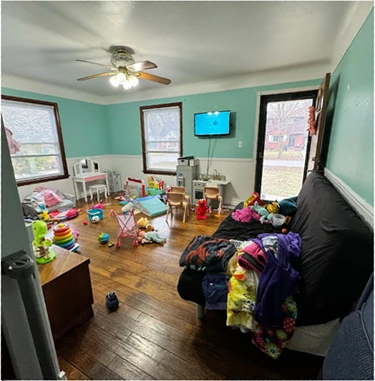
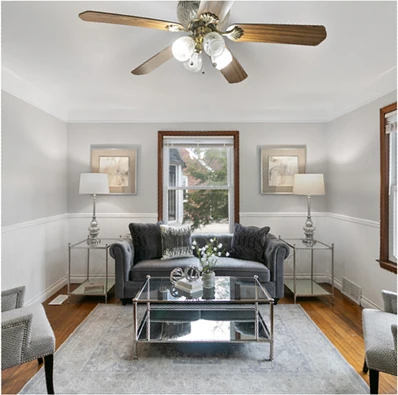
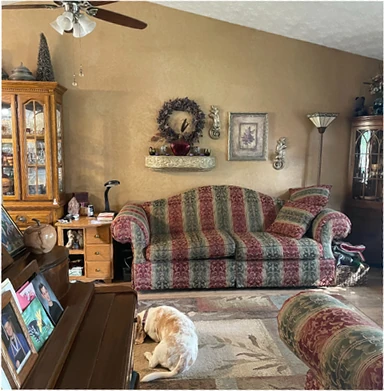
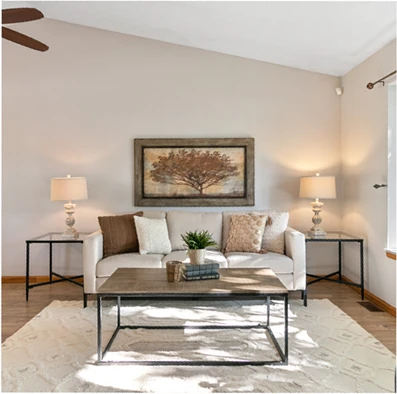
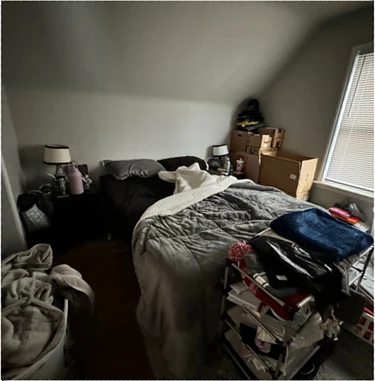
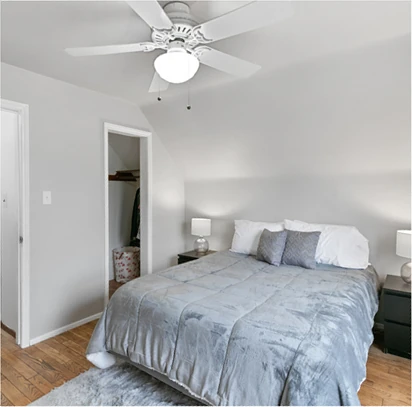
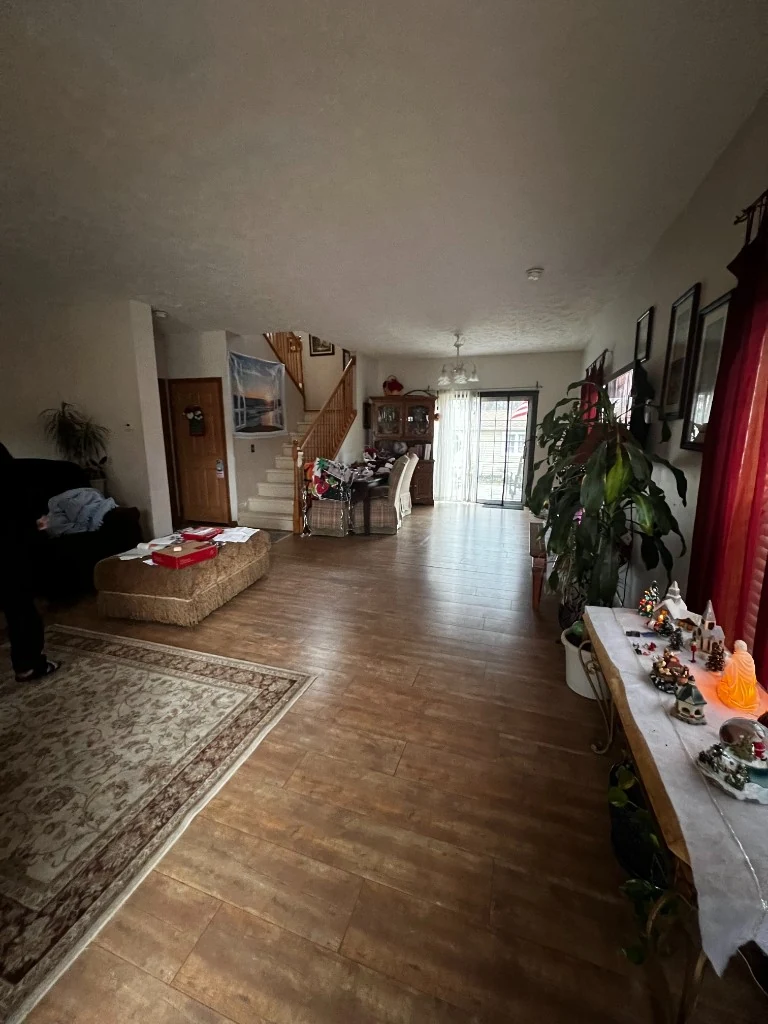
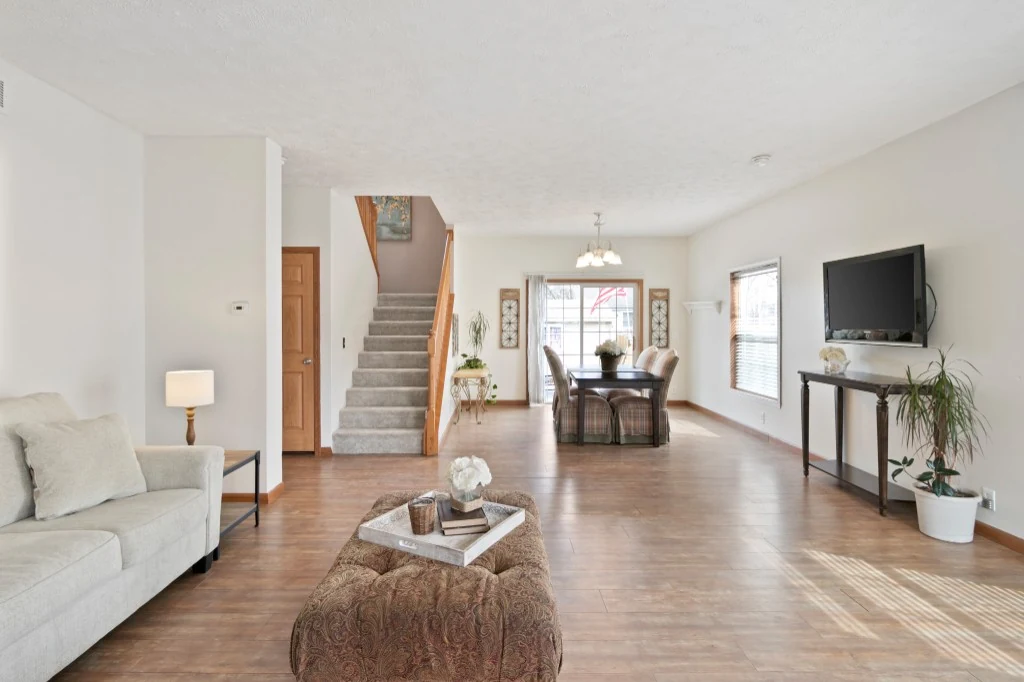
Not every seller needs professional staging. Many homes sell well with preparation alone: strategic decluttering, furniture rearranging, better lighting, simple styling, minor updates, and thoughtful presentation. The transformation above didn't require a full furniture rental package, just removing what distracted buyers and making the room’s purpose obvious. That distinction matters, because preparation should feel achievable, not expensive.
Most sellers hear “stage your home” and picture throw pillows and fresh flowers. That’s one slice of presentation, not the whole job. Market preparation is the work that helps buyers understand your home: removing what distracts them, clarifying what each room is for, fixing what signals neglect, and setting the stage so photography and showings actually work. This guide explains why each step matters. For the full selling process, including pricing, offers, and closing, see our Seller’s Guide.
Buyers in Southeast Michigan shop online first. They scroll photos on their phone, compare your listing to every other home in their search alerts, and form an opinion in seconds: often before they read the description. Research on buyer behavior consistently shows that first impressions happen fast: online, that means the cover photo and the first three images; in person, it often means the front walk, the entry, and the first room they see.
That speed is why preparation matters more than most sellers expect. Staging styles a home. Preparation makes the home ready to be photographed and shown honestly: decluttering storage areas buyers will open, addressing deferred maintenance they notice in the first five minutes, and planning how occupied families manage evening and weekend showings without burning out.
The sections below walk through each preparation category: what buyers notice, why it affects their decision, and practical steps you can take whether you have two weeks or two months before photos.
Walk your front path with fresh eyes, or ask a friend who will be honest. What do you notice first? What feels tight, dark, or tired? That answer usually points to the prep list that matters most, without a blanket renovation budget.
Buyers need mental space to imagine their life in your home, and physical clutter competes for that space. Family photos, excess furniture, countertop appliances, and packed closets tell a story about your life, not the life they could build there. Psychologically, buyers are asking a simple question in every room: “Could we live here?” Clutter makes that question harder to answer.
Strategic decluttering isn't minimalism for its own sake. It's removing what distracts. A useful rule: if you are debating whether something stays, it probably goes to storage, donation, or the sale pile. Work room by room, starting where buyers spend the most time: living areas, kitchen, primary bedroom, and main bath. Garages, basements, and mechanical rooms matter too: buyers open doors. For downsizers with decades in one home, our Downsizing Blueprint covers emotional sorting at a different pace than a quick pre-list purge.
Decluttering also reveals maintenance you may have stopped seeing: scuffed baseboards, worn carpet paths, and outdated fixtures that blend into daily life until the house is emptier. That’s one reason decluttering often comes first: it surfaces the repair list honestly.
A Canton seller removed one oversized sectional and half the bookshelves from a combined living-dining area. Same square footage, but buyers suddenly described the room as “spacious” instead of “cozy.” Nothing structural changed. The clutter had been shrinking the room in buyers’ minds.
Furniture placement changes how rooms feel, not just how they look. An oversized sectional pushed against every wall can make a generous living room feel cramped. Pulled into a conversation grouping with clear walkways, the same room reads as open and intentional. Buyers judge scale quickly. They are mentally placing their own furniture before they sit down.
Room purpose matters just as much. A dining area used as a homework station reads as “nowhere to eat.” A spare bedroom stacked with storage reads as “no fourth bedroom.” Define each space clearly, even if your daily life uses rooms differently. Pull furniture away from walls where it helps conversation areas feel anchored. In primary bedrooms, simplify to bed, nightstands, and one chair if space allows: calm, not crowded.
Vacant homes often need rental furniture or clear labeling in photos so buyers do not wonder whether a room is a bedroom, office, or formal sitting area. Occupied homes usually need edits, not full staging packages. Remove pieces until traffic paths feel obvious and each room answers one question: “This is the ___.”
One clear seating conversation makes rooms feel larger. Remove extra side tables and visual clutter that breaks sight lines to windows. Buyers notice light and views first.
Show the table even if you eat at the island daily. Buyers want to picture holidays and everyday meals; an undefined eating area feels like missing square footage.
Name the purpose in listing copy and show it consistently in photos. Dual-purpose rooms confuse online scrollers who decide in seconds whether to keep scrolling.
Clear paths, bright bulbs, and defined zones (storage vs. living) prevent the “unfinished cave” impression that shrinks perceived value.
Lighting shapes emotion before buyers read a single detail. Dim rooms feel smaller and dated in photos; evenly lit spaces feel maintained and welcoming. The human eye adjusts quickly in person, but a camera captures darkness honestly: which is why lighting and photography preparation work together, not as separate tasks.
Replace burned-out bulbs throughout, including closets, basements, and hallways buyers walk through quickly. Match color temperature where possible: cool garage bulbs next to warm living room lamps create subconscious friction. Open blinds for photos unless glare overwhelms the room. Natural light sells Michigan homes in spring and fall listings especially well.
Outdated fixtures in the entry, kitchen, and primary bath anchor a room in a prior decade. Fixture swaps are often moderate cost with disproportionate visual return in online photos, one of the small improvements that frequently makes a big impact without a renovation budget.
Photographers cannot add light that is not there. What you do with bulbs, blinds, and fixtures before they arrive determines whether your listing glows or glooms on a buyer’s phone screen.
Not every pre-list dollar returns equally, and overspending on the wrong updates is one of the most common seller mistakes. Buyers notice what signals neglect first: dripping faucets, sticky doors, burned-out bulbs, peeling paint near the entry, and worn carpet in high-traffic paths. Fixing those items tells buyers the home has been cared for, even when finishes are dated.
Cosmetic refreshes often outperform full gut jobs when the bones are solid. Fresh neutral paint in main living areas, cleaned carpets or refinished floors, updated cabinet hardware, and modern light fixtures frequently deliver strong return without a renovation timeline. Major kitchen or bath remodels make sense when systems are failing, not purely for resale unless your market segment clearly rewards them.
If your community requires point-of-sale inspections or certificate of occupancy updates, schedule that work early so municipal timelines do not compress your launch window.
Some sellers invest in updates; others price for condition and sell as-is. Both can work, but the strategy must match from day one. See our Seller’s Guide pricing section for how condition tiers affect comparable selection and net proceeds.
Curb appeal sets expectations before a buyer walks inside, and those expectations follow them through the entire showing. A tidy exterior signals maintenance; an unkempt one raises questions about what else has been deferred. In spring listings across Wayne and Oakland counties, your exterior photos compete directly with newer subdivisions in the same search alerts.
Buyers form a narrative from the approach: entry path, front door, mailbox, and visible landscaping frame the story. Fresh mulch, trimmed shrubs, clean walkways, visible house numbers, and a front door that looks intentional (fresh paint, polished hardware, or a simple wreath) say “this home is ready.” Power-wash siding, porches, and walkways where grime has accumulated. Hide trash bins and lawn equipment from the primary photo angle.
Winter listings can still show well: clear ice from walks, warm entry lighting, and tidy evergreens frame the home even when gardens are dormant. The goal is a welcoming first impression: the emotional tone buyers carry through the front door.
In Metro Detroit’s online-first market, most buyers decide whether to schedule a showing from phone photos, not from an in-person visit. Photo day is not the day to discover you needed another week of prep. Walk the home the night before with your phone camera: dark corners, unmade beds, and reflective surfaces show up immediately.
Preparation for photography is a checklist, not an instinct. Remove personal items from bathroom counters. Hide cords where possible. Turn on every light, including closets and hallways the photographer will shoot through. Open blinds evenly. Fluff beds and pillows. Stage towels in baths. Move cars from the driveway for exterior shots. Secure pets off-site if you can, because movement and noise compress the photographer’s schedule and limit retakes.
Professional photography is worth little if it documents clutter. The investment pays off when preparation has already done the heavy lifting: cleared surfaces, defined rooms, consistent lighting, and sight lines that lead the eye to windows and living areas. For how photos fit into the broader marketing plan, see Marketing & Showings in the Seller’s Guide.
Start prep six to eight weeks before your target photo date when you can. Sellers who begin early almost always photograph cleaner and show better, not because they spend more, but because they prioritize what actually appears on camera.
Buyers justify decisions with numbers, but they often choose homes because of how a space feels. Preparation creates the conditions for that feeling: light, flow, cleanliness, and the sense that the home has been cared for. When buyers can picture their morning coffee, their kids’ backpacks by the door, or a quiet evening in the living room, they move from browsing to offering.
Neutral does not mean sterile. A bowl of fresh fruit, one living plant, or a simple tray on an ottoman adds life without personalization that distracts. Scent matters: avoid heavy air fresheners that read as cover-ups; clean carpets and open windows signal honest maintenance.
The featured case study above illustrates the shift: once clutter and visual noise were removed and the room’s purpose became clear, buyers could imagine living in the space. That’s emotional connection built on preparation, not props alone, and not a furniture rental budget.
Showings while you still live in the home require systems, not perfection. Buyers forgive a lived-in home. They don't forgive chaos, odors, or the sense that they are intruding. A repeatable thirty-minute reset routine reduces stress more than chasing perfection every time.
Build the routine: dishes in dishwasher, beds made, counters cleared, pets secured, lights on, thermostat set comfortably, and a quick scan of bathrooms. Keep a labeled bin for daily clutter you can move to the garage or a closet. Store valuables and prescriptions securely. Evening and weekend showings are normal in competitive markets, flexibility for serious buyers relocating from out of state often matters more than a rigid showing window.
The showing experience should feel welcoming: clear driveway access, visible address numbers, interior doors open unless a room is intentionally off-limits, and a comfortable temperature before you leave. Small habits, repeated consistently, protect the first impression you worked weeks to create.
Timelines flex by home size, occupancy, and municipal requirements, but sellers who map phases reduce last-minute panic before photo day.
Pre-list walkthrough · Declutter · Vendor quotes · POS/COO research
Paint · Fixtures · Carpet clean · Yard work · Furniture edits
Deep clean · Photo prep · Final walk · Showing routine set
This home had previously been listed for several months without selling. The relaunch that followed was not a price change alone. It was a preparation strategy. Furniture was edited, visual clutter cleared, lighting improved, and the living area defined so photos and showings told one coherent story.
The transformation was not about spending a fortune or hiding imperfections. It was about presenting the home so buyers could see its potential: the same square footage, the same floor plan, but a completely different first impression online and at the door.
That pattern repeats across Southeast Michigan listings: buyers often form an opinion within moments of walking through the front door, and many more decide whether to schedule a showing based on how the home appears online long before they arrive. Preparation is what bridges those two moments, making the in-person experience match the promise of the photos.
Presentation isn't decoration. It's how buyers understand what they are buying, and whether they can imagine their life in the space. And it often costs far less than sellers assume.
For the shorter case study inside our process guide, see Proof That Preparation Pays Off in the Seller’s Guide.
No. Staging is one piece of market preparation: furniture placement, styling, and defining room purpose. Preparation is broader: decluttering, repairs, lighting, curb appeal, photography readiness, and showing logistics. A well-prepared home may need minimal staging; a staged home that was not prepared underneath still shows deferred maintenance and clutter in photos and inspections.
Most Southeast Michigan sellers benefit from starting six to eight weeks before photos, especially in occupied homes. That window allows decluttering, minor repairs, and vendor scheduling without rushing. If you need municipal point-of-sale work or significant updates, start earlier. A pre-listing walkthrough helps prioritize what actually matters for your price point.
Fix what buyers see immediately and what signals neglect: dripping faucets, sticky doors, burned-out bulbs, peeling exterior paint near the entry, and obvious safety issues. Cosmetic updates with strong return often include fresh neutral paint in main living areas, cleaned carpets or refinished floors, and updated light fixtures. Skip major renovations purely for resale unless your agent confirms buyers in your micro-market reward them.
Not always. Many occupied homes sell well with strategic decluttering, furniture edits, and professional photography. Full staging helps vacant homes, unusual floor plans, and properties that have struggled on market. The goal is clarity. Buyers should understand room purpose and scale within seconds of entering or scrolling photos.
Critical in Southeast Michigan's online-first market. Most buyers decide whether to schedule a showing from phone photos. Dark, cluttered, or wide-angle distorted images reduce showings regardless of in-person appeal. Preparation for photography (cleared surfaces, styled beds, open blinds, and consistent lighting) often matters more than another round of price reductions later.
Create a showing routine: dishes cleared, beds made, pets secured, lights on, thermostat comfortable, and quick-exit essentials packed. Store daily clutter in labeled bins you can move quickly. Keep high-traffic closets and garages organized enough to open without embarrassment. Evening and weekend showings are normal; a repeatable system reduces stress more than perfection every time.
Entry path, front door, mailbox, and visible landscaping frame the first impression. Fresh mulch, trimmed shrubs, clean walkways, and a welcoming door color or hardware polish signal maintenance. In spring listings across Wayne and Oakland counties, exterior readiness competes directly with newer subdivisions. Buyers compare your photos to everything else in their search alerts.
Start with what buyers see first and what signals neglect: decluttering main living areas, replacing burned-out bulbs, cleaning high-traffic carpet paths, and refreshing the entry. Then focus on photo-day readiness: cleared counters, made beds, and consistent lighting. Cosmetic updates with strong return often include neutral paint in main living areas and updated entry hardware. Skip major renovations unless your market segment clearly rewards them.
This guide is educational, not legal or financial advice. Every home, municipality, and market segment differs. For personalized preparation planning on your property, contact Hearts to Homes or consult your listing agent, attorney, and tax professional as appropriate.
Some homes need very little before hitting the market. Others benefit from a thoughtful preparation plan.
During our consultation, I’ll walk through your home with you, identify the improvements that will have the biggest impact, and help you decide what’s truly worth doing, and what isn’t.
The goal isn’t to spend more money. The goal is to help buyers see your home’s full potential from the moment they walk through the door.
Questions? Call or text 734-323-4486 · derica@heartstohomesmi.com
Last Updated · August 4, 2026 · Reviewed by Derica Wade, Associate Broker · Hearts to Homes, Real Estate One · Equal Housing Opportunity